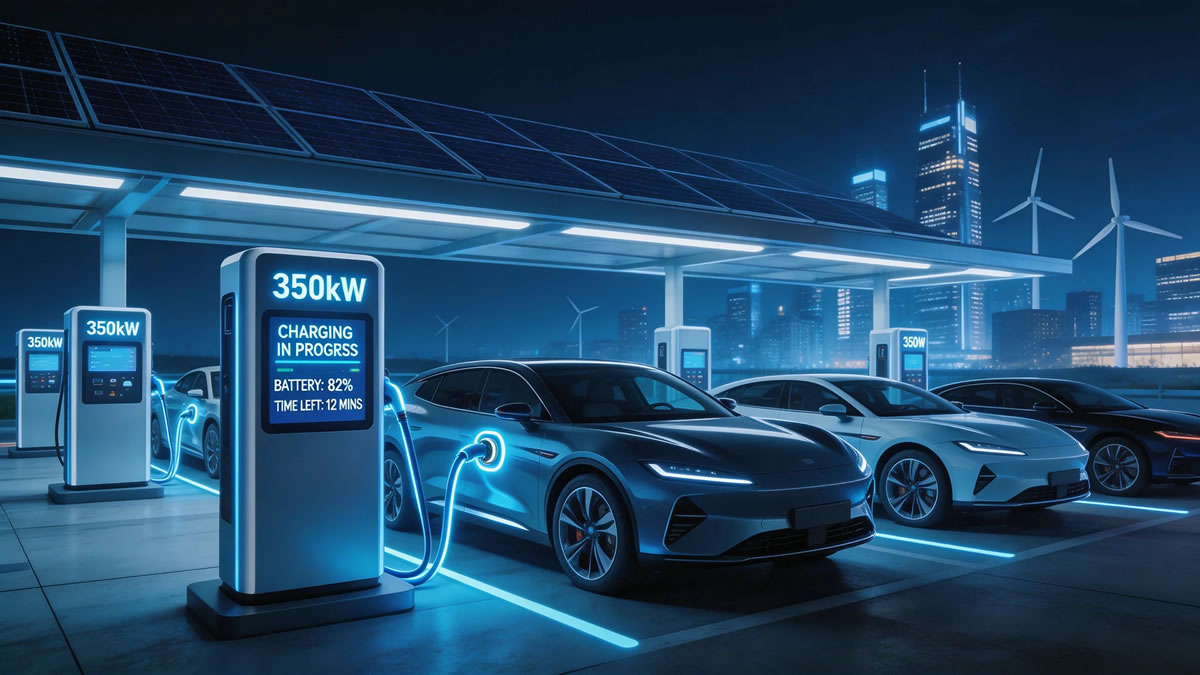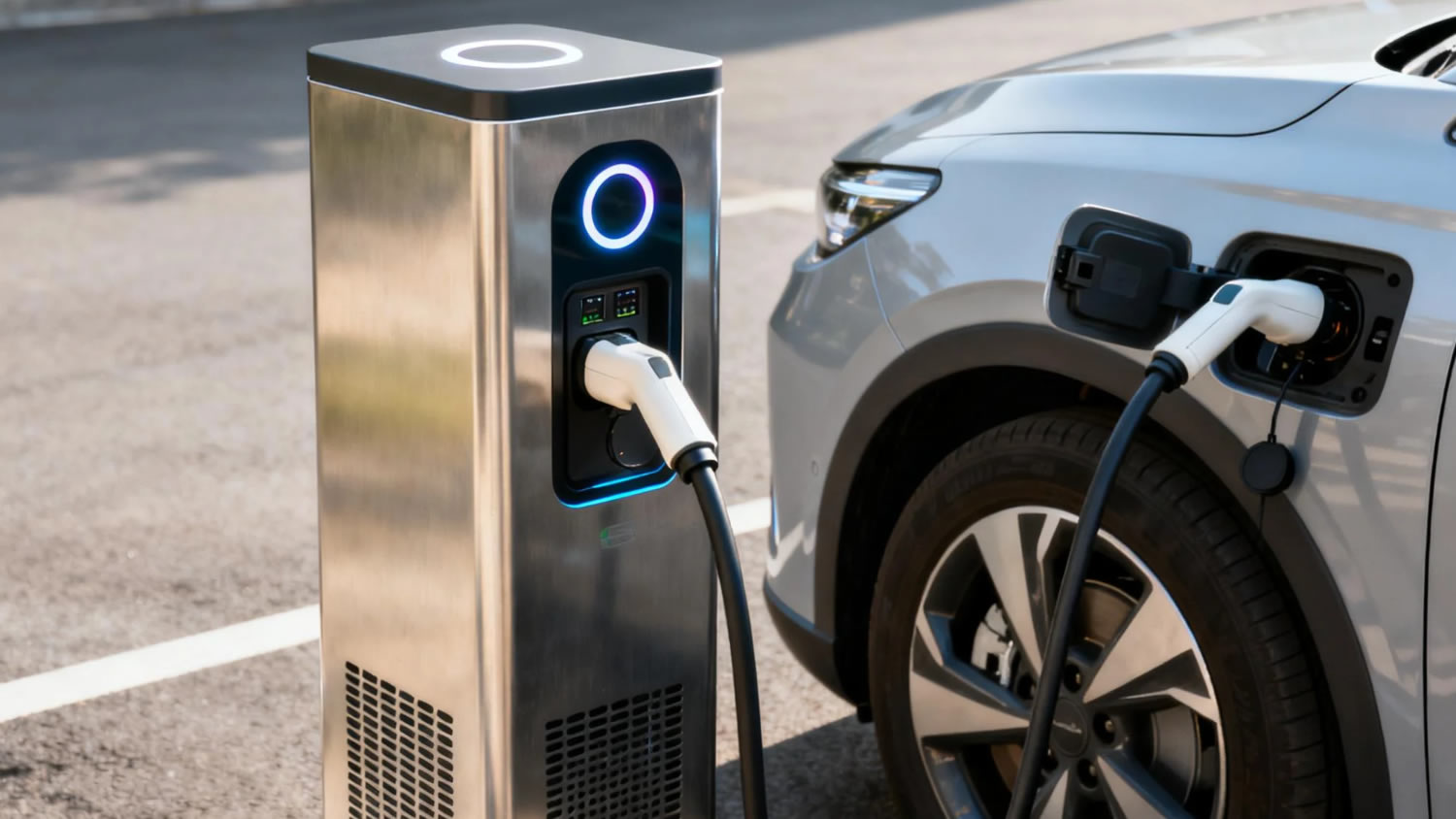
Electric vehicles (EVs) are becoming increasingly common worldwide, and charging stations are essential for keeping them running. A charging station, also called an EVSE (Electric Vehicle Supply Equipment), provides the energy needed to recharge a vehicle’s battery safely and efficiently. Understanding what a charging station is, its types, and how it works is important for EV owners, operators, and anyone interested in sustainable transportation.
1. Definition of EV Charging Station
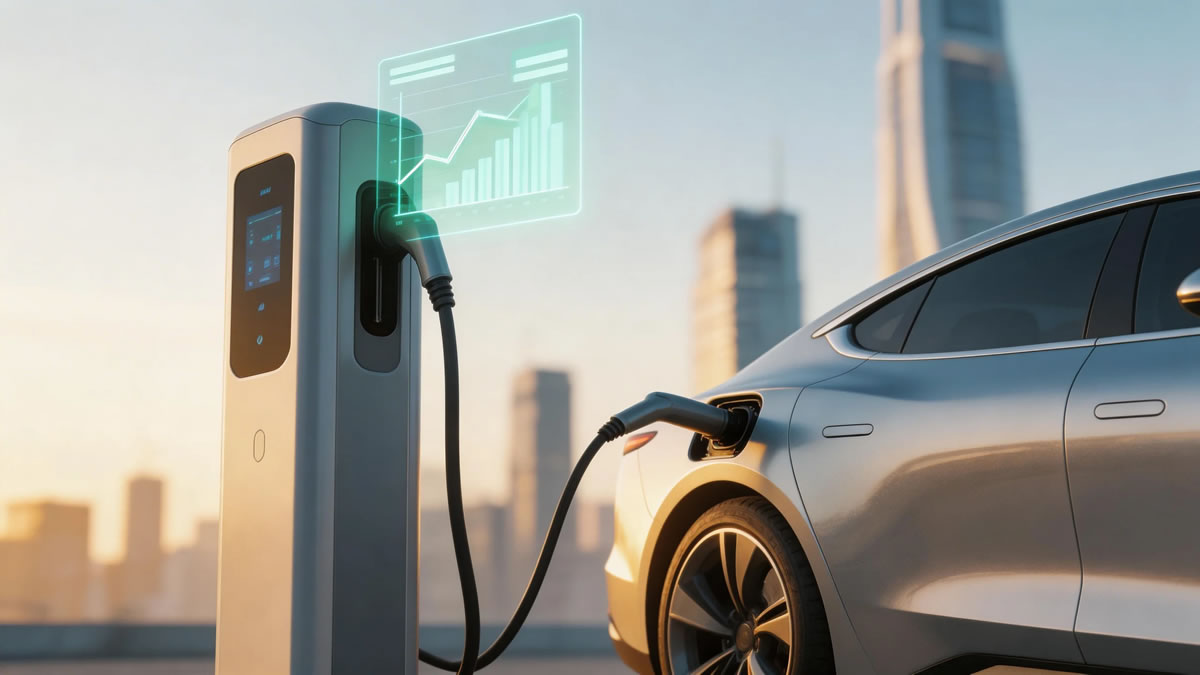
An EV charging station is a piece of equipment that delivers electricity to an electric vehicle in a controlled and safe manner. Unlike a regular household outlet, a charging station communicates with the vehicle to regulate voltage, current, and charging speed, ensuring both the battery and user remain safe.
-
Electric Vehicle Supply Equipment (EVSE): The technical term for the charging device.
-
Function: Converts electricity from the grid into a form suitable for the EV battery.
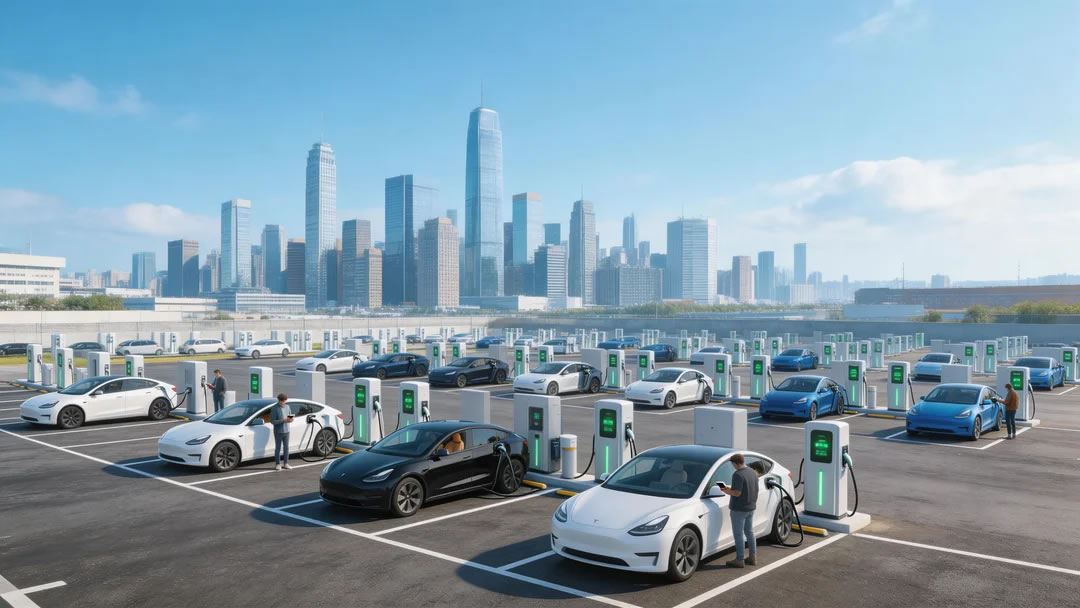
EVSE can be installed at homes, workplaces, public areas, or commercial hubs.
2. Types of EV Charging Stations
Charging stations are classified primarily by current type:
-
AC (Alternating Current) Chargers:
-
Supply AC power, which is converted to DC by the vehicle’s on-board charger.
-
Typically slower, suitable for home or office charging.
-
-
DC (Direct Current) Chargers:
-
Supply DC power directly to the battery, bypassing the on-board charger.
-
Enable fast charging, ideal for highways, fleet depots, and public stations.
-
Each type has advantages: AC chargers are cost-effective and simple, while DC chargers provide rapid energy replenishment.
3. Charging Levels and Power
Charging stations are also categorized by power output, affecting charging speed:
-
Low-power AC: 3–7 kW, ideal for overnight home charging.
-
Medium-power AC: 11–22 kW, suitable for workplaces or commercial sites.
-
DC fast chargers: 50–350 kW or more, capable of charging an EV to 80% in 20–60 minutes depending on battery size.
Choosing the right charger depends on location, usage pattern, and vehicle compatibility.
4. Components and Safety Features
Modern EVSE units include:
-
Connectors and cables: Compatible with different vehicles and charging standards.
-
Control systems: Manage power flow and communicate with the EV’s battery management system (BMS).
-
Safety mechanisms: Overcurrent, overvoltage, leakage protection, and temperature monitoring.
-
User interface: Displays charging status, energy delivered, and errors.
These systems make EV charging safe, reliable, and user-friendly.
5. Installation Locations
EVSE can be deployed in various settings:
-
Residential: Garages or driveways for personal vehicles.
-
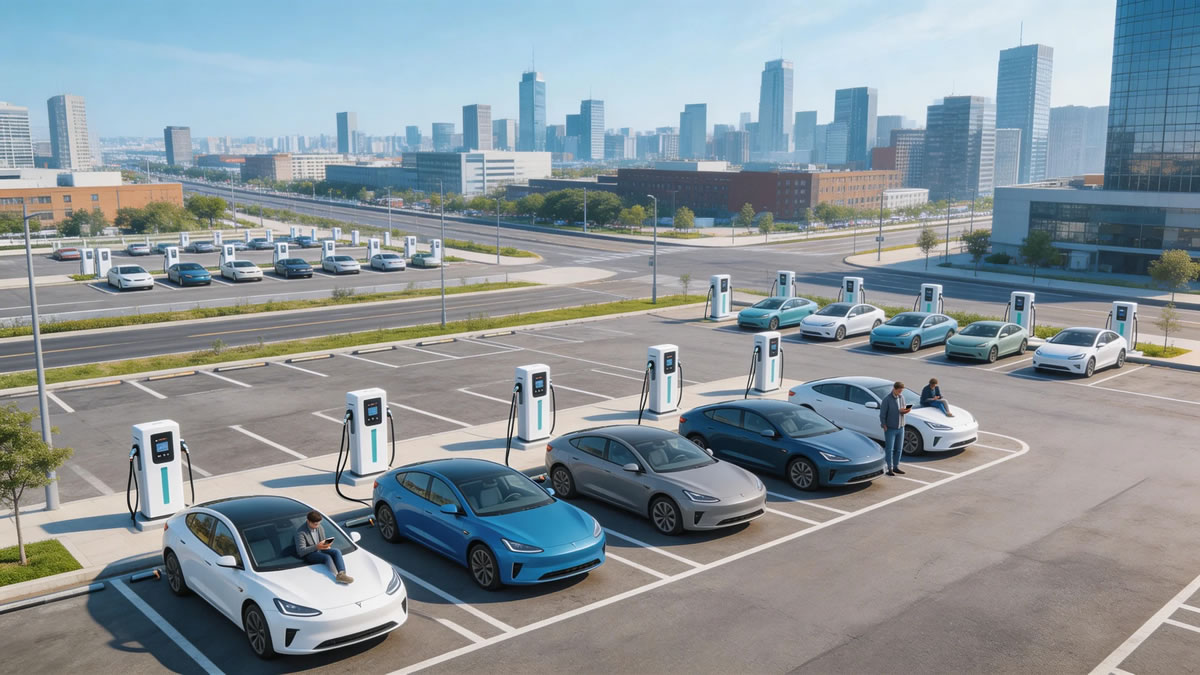
Commercial/Office: Parking lots for employees or visitors.
-
Public: Street-side stations, shopping malls, or highway rest areas.
-
Fleet depots: For buses, taxis, or delivery vehicles needing rapid turnaround.
Proper placement ensures accessibility, convenience, and safety.
6. Benefits of EV Charging Stations
-
Convenience: Enables easy daily recharging.
-
Efficiency: Supports faster travel and reduces downtime.
-
Safety: Prevents electrical hazards compared to standard outlets.
-
Sustainability: Facilitates the adoption of clean electric transportation.
Charging stations are the backbone of the EV ecosystem, supporting both private and public mobility.
Summary
An electric vehicle charging station is a controlled power delivery system designed to recharge EV batteries safely and efficiently. Whether AC or DC, low-power or fast-charging, these stations provide the energy, communication, and protection required for modern EVs. Understanding their types, power levels, components, and applications helps users and operators maximize efficiency, safety, and convenience.
 March 21, 2026