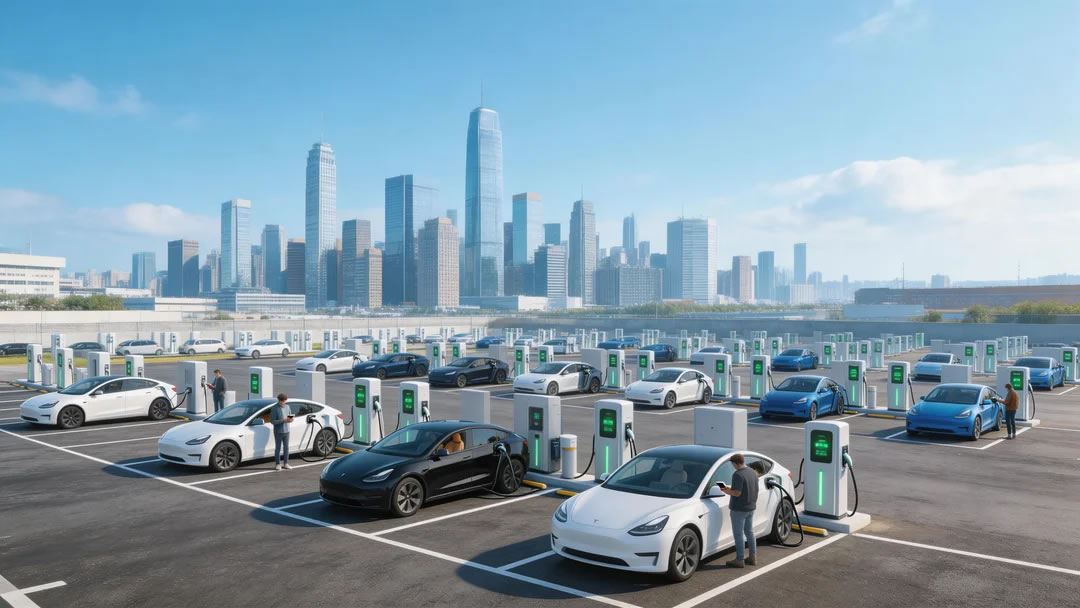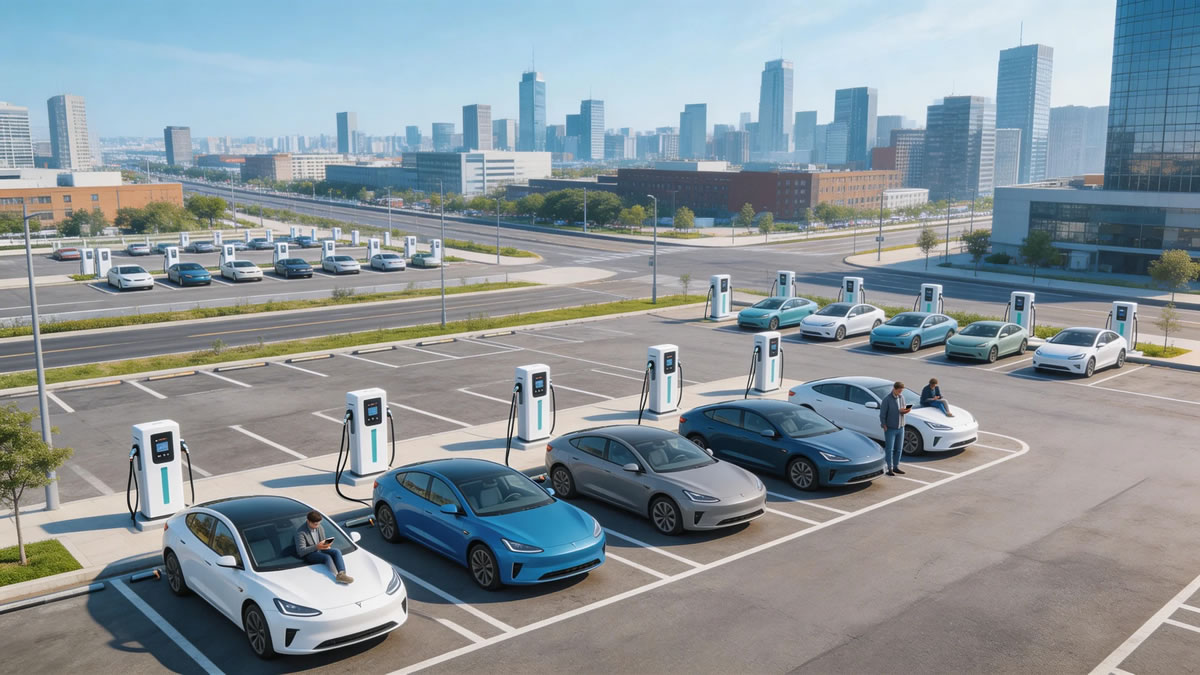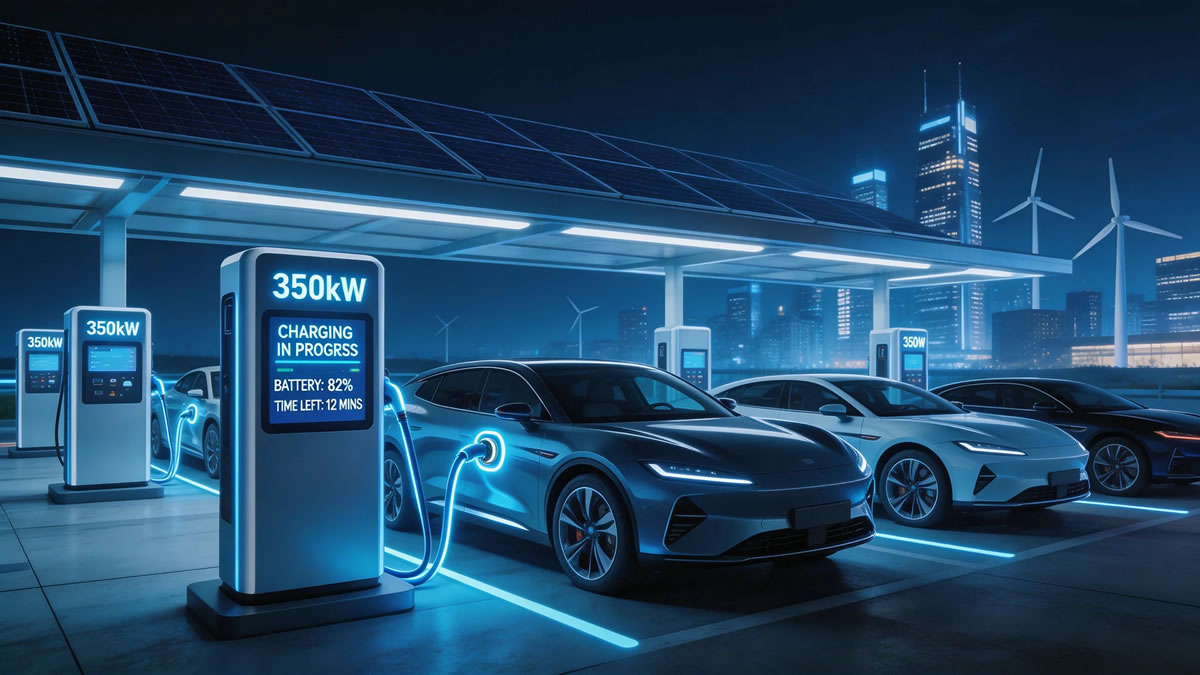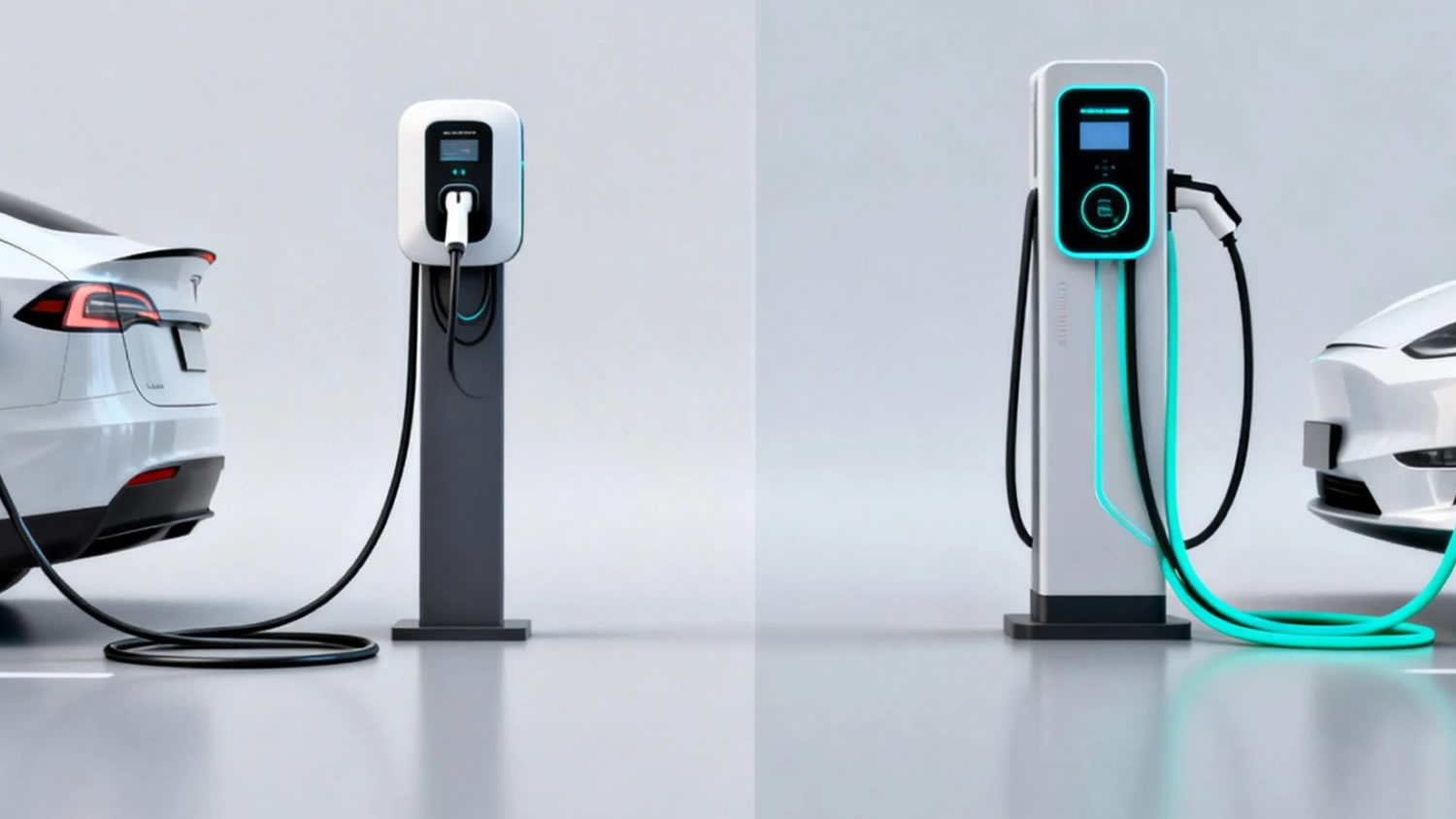
Electric vehicle (EV) charging stations are generally classified into AC (Alternating Current) charging stations and DC (Direct Current) charging stations. While both serve the same purpose—supplying energy to electric vehicles—their technical principles, charging speed, infrastructure requirements, and application scenarios differ significantly.
Understanding the difference between AC and DC charging is essential for EV users, operators, and infrastructure planners.
1. Power Conversion Method
The most fundamental difference between AC and DC charging lies in where the power conversion takes place.
-
AC Charging Stations
AC chargers supply alternating current directly from the power grid to the vehicle. The vehicle’s on-board charger (OBC) then converts AC power into DC power required by the battery. As a result, the charging speed is limited by the capacity of the vehicle’s on-board charger. -
DC Charging Stations
DC chargers convert AC power into DC power inside the charging station itself. The converted DC electricity is delivered directly to the vehicle battery, bypassing the on-board charger. This allows for much higher charging power.
2. Charging Power and Speed
Charging speed is one of the most noticeable differences for end users.
-
AC Chargers
Typical AC charging power ranges from 7 kW to 22 kW. Charging an EV may take several hours, making AC chargers ideal for overnight or long-duration parking. -
DC Chargers
DC charging power usually starts at 50 kW and can exceed 150 kW or even 350 kW. DC fast chargers can replenish a large portion of battery capacity within 30–60 minutes, depending on vehicle compatibility.
3. Infrastructure and Installation Requirements
-
AC Charging Stations
AC chargers have a simpler structure, lower installation cost, and fewer grid requirements. They are well-suited for residential areas, office buildings, and community parking spaces. -
DC Charging Stations
DC chargers require higher grid capacity, advanced cooling systems, and more complex electrical infrastructure. Installation costs are higher, and professional site planning is essential.
4. Typical Application Scenarios
-
AC Charging Stations are commonly deployed in:
-
Private homes
-
Apartment complexes
-
Office parking lots
-
Long-term parking areas
-
-
DC Charging Stations are widely used in:
-
Public fast-charging stations
-
Highway service areas
-
Commercial hubs
-
Fleet and logistics depots
-
Each type addresses different charging needs and usage patterns.
5. Impact on Battery and Charging Strategy
Modern EVs are designed to manage both AC and DC charging safely. However, frequent use of high-power DC fast charging may increase battery thermal stress over time. For daily charging, many manufacturers recommend AC charging, while DC charging is ideal for long-distance travel or urgent energy replenishment.
6. Cost Considerations
-
AC Charging typically has lower equipment and installation costs and is more economical for daily use.
-
DC Charging involves higher upfront investment but offers superior efficiency for public and high-turnover charging locations.
Summary
In summary, AC charging stations are best suited for daily, long-duration charging with lower infrastructure requirements, while DC charging stations provide high-power, fast charging for public and commercial use. A balanced charging network usually includes both types to meet diverse mobility demands.
 March 20, 2026