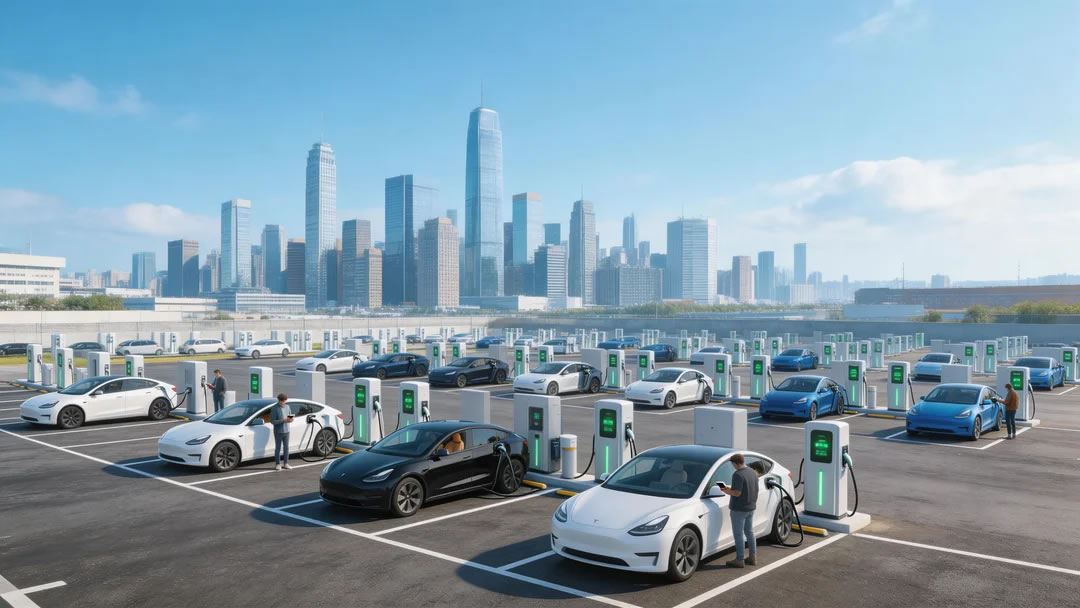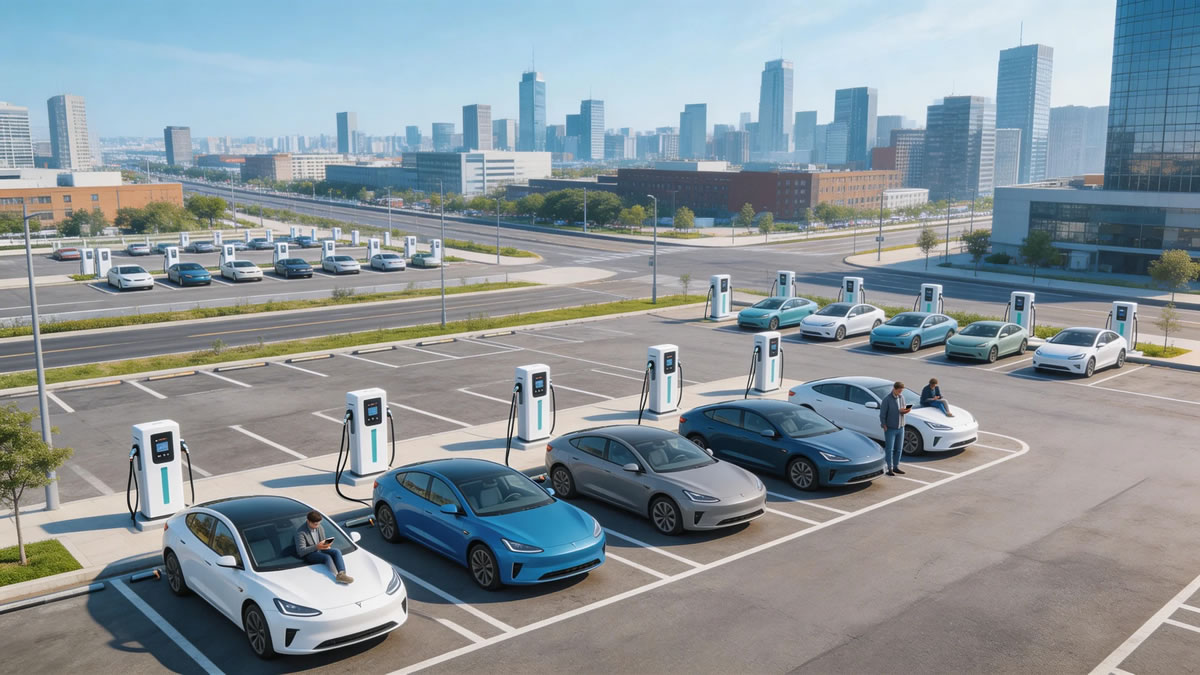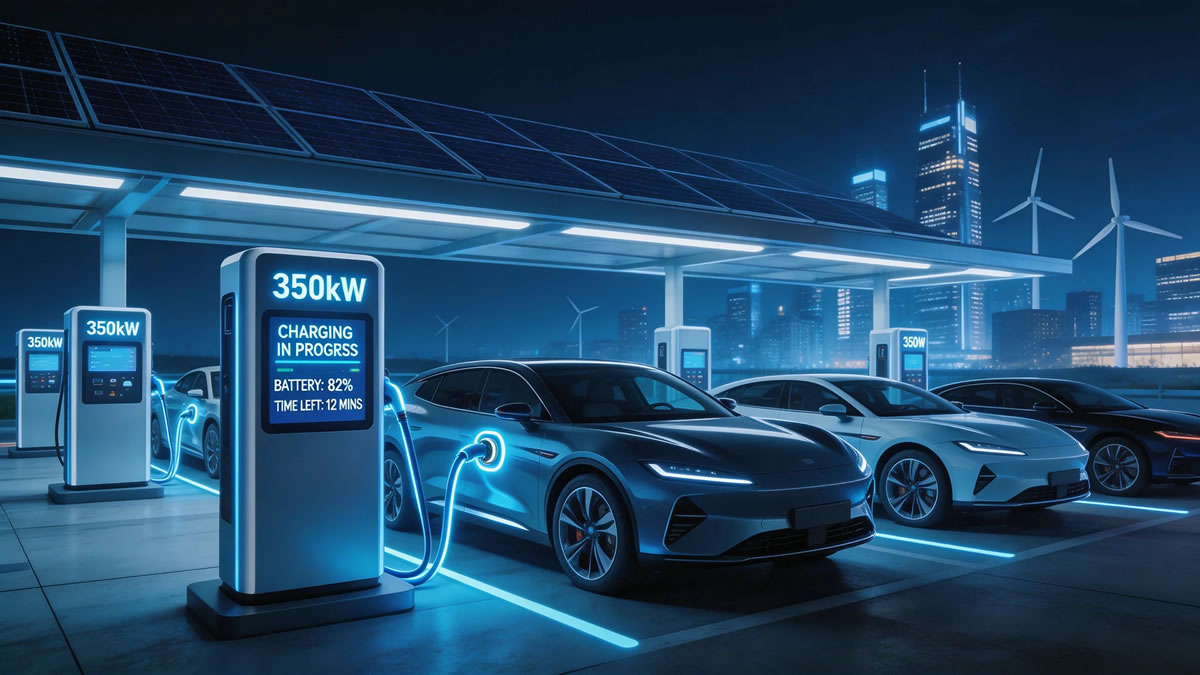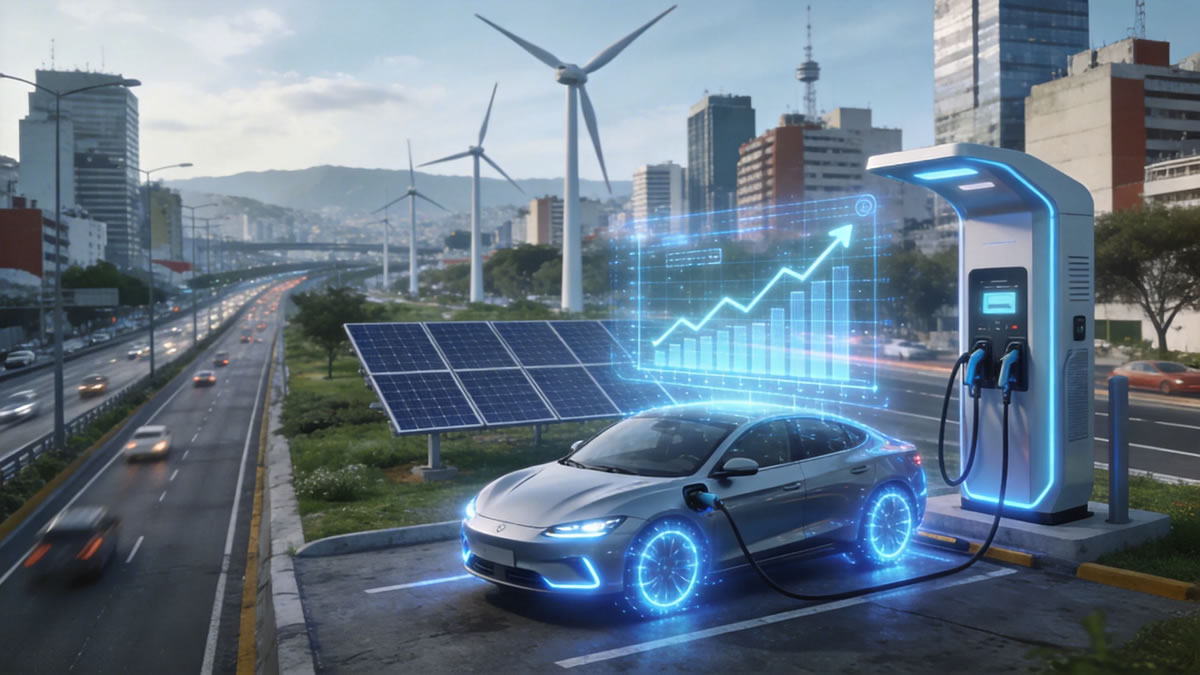
Public electric vehicle (EV) charging stations are a key component of urban mobility, enabling drivers to recharge their vehicles outside of home. Understanding how to safely and efficiently use public chargers is essential for EV users, fleet operators, and infrastructure planners.
1. Types of Public Charging Stations
Public chargers can be broadly categorized by power type and charging speed:
-
AC chargers (slow to medium): Typically 7–22 kW; suitable for shopping centers, workplaces, or long-duration parking.
-
DC fast chargers: 50–350 kW; designed for highways, commercial hubs, or fleet depots where rapid energy replenishment is needed.
Knowing the type of charger helps users plan charging time and location efficiently.
2. Identifying Compatible Connectors
Before using a public station, ensure connector compatibility with your EV:
-
AC connectors: Type 1 (North America), Type 2 (Europe), GB/T (China).
-
DC connectors: CCS, CHAdeMO, GB/T DC.
Many public stations support multiple standards. Check the station signage or app before plugging in.
3. Authentication and Payment
Most public chargers require authentication or payment:
-
RFID card or mobile app: Scan the card or open the app to start charging.
-
Plug-and-Charge (ISO 15118): The vehicle is authenticated automatically without user input.
-
Payment methods: Credit card, app wallet, or subscription service. Some stations allow free charging in promotional areas.
Understanding the method ensures a smooth charging experience.
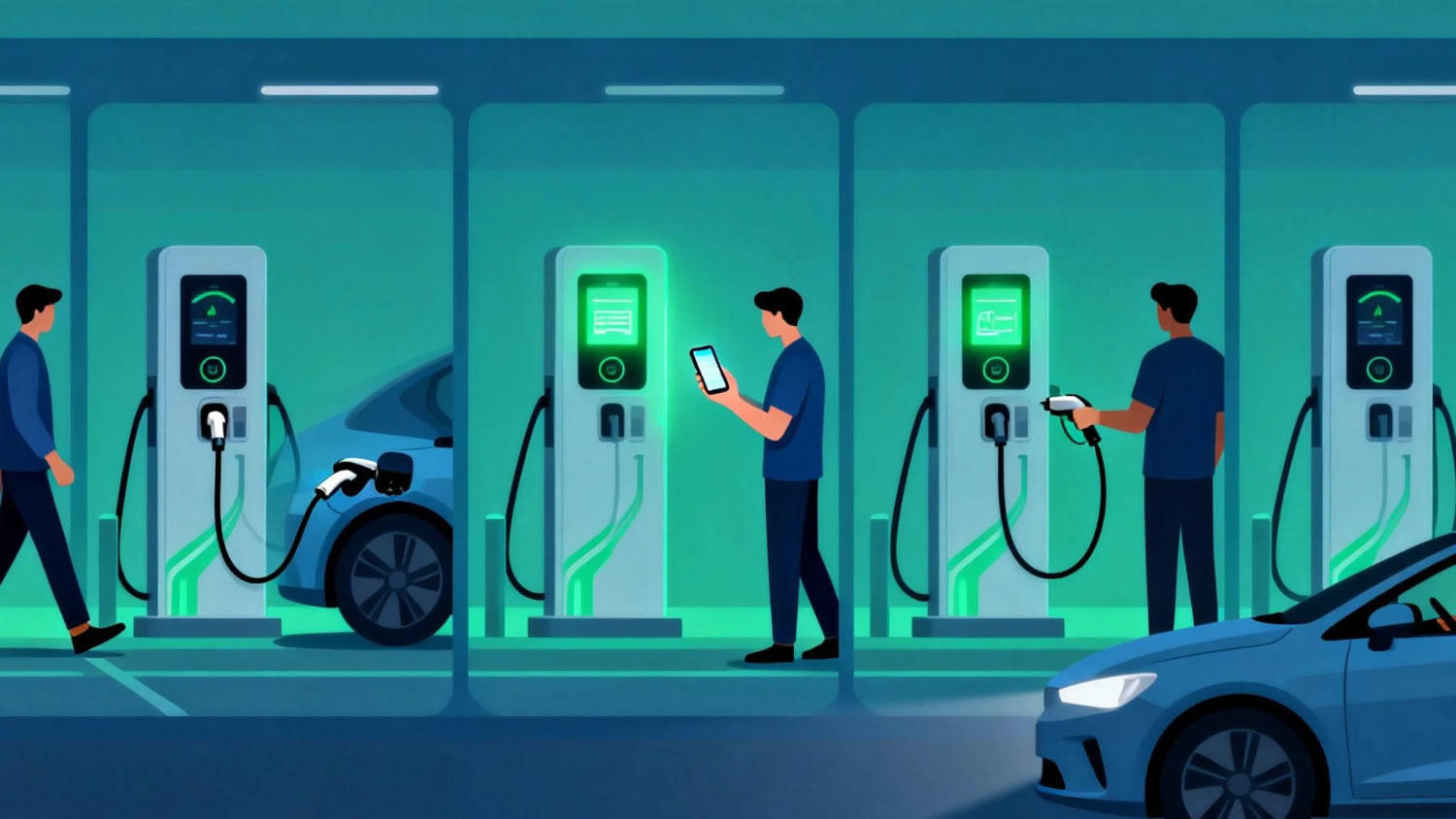
4. Step-by-Step Charging Process
-
Park the vehicle correctly in the charging bay.
-
Connect the charger securely to the vehicle.
-
Authenticate or pay using the required method.
-
Monitor charging progress via the station display or mobile app.
-
End charging once sufficient energy is delivered.
-
Disconnect the cable safely and return it to the station.
Following these steps prevents damage, ensures safety, and keeps the station usable for others.
5. Safety Considerations
Public chargers incorporate multiple safety features, but user awareness is crucial:
-
Inspect cables and connectors for damage before use.
-
Avoid using the charger in wet conditions if the station is not rated for outdoor use.
-
Keep children and pets away from the charging area.
-
Do not attempt to modify or force the connector.
Proper practices complement the charger’s built-in protections.
6. Planning Charging Stops
For long trips or urban travel, efficient planning is key:
-
Use charging apps or in-vehicle navigation to locate compatible public stations.
-
Consider charger power: DC fast chargers are ideal for quick top-ups; AC chargers are suited for longer stops.
-
Account for waiting time: Popular stations may be occupied during peak hours.
Strategic planning reduces downtime and ensures smooth travel.
7. Future Features
Emerging technologies will enhance public charging convenience:
-
Smart scheduling: Chargers adjust power based on grid load and vehicle demand.
-
Reservation systems: Users can book charging slots in advance.
-
Vehicle-to-Grid (V2G) capabilities: EVs can discharge energy back to the grid in the future.
These developments improve reliability, efficiency, and sustainability of public EV networks.
Summary
Using public EV charging stations effectively requires knowledge of charger type, connector compatibility, authentication methods, and safety practices. Awareness of station features and planning routes ensures a convenient and secure charging experience for all users.
 March 20, 2026