For years, the EV charging industry has been viewed as a hardware business.
Build more charging stations. Install more equipment. Expand coverage.
But that perspective is quickly becoming outdated.
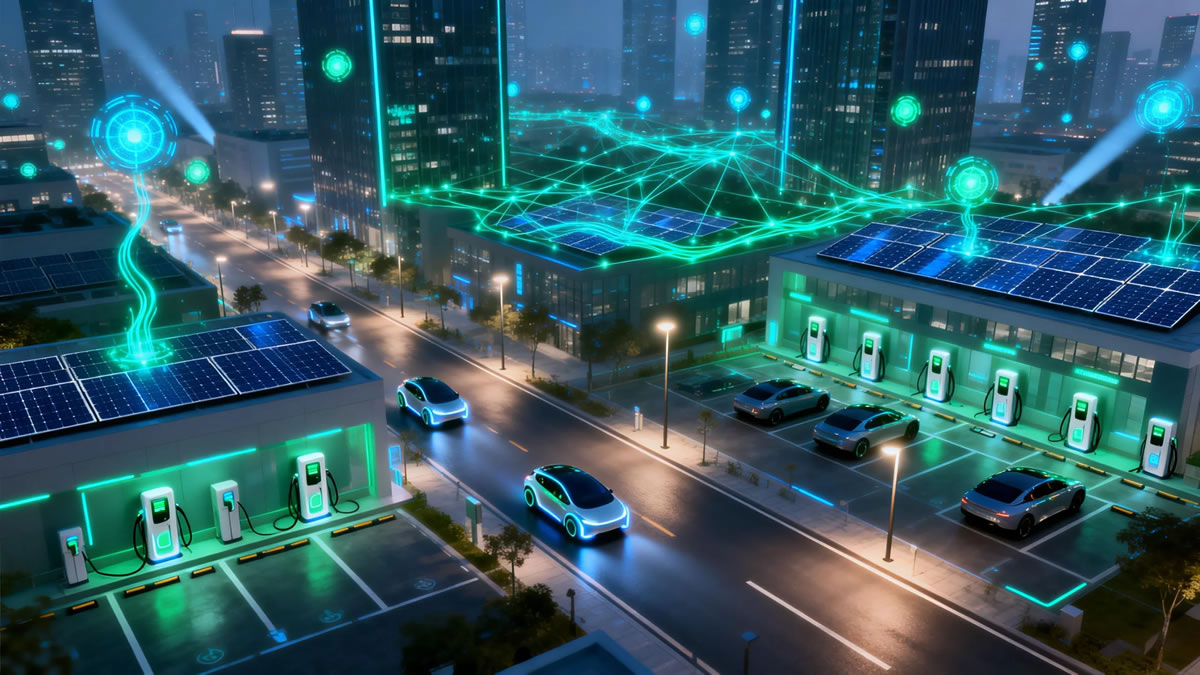
Today, the real transformation is happening beneath the surface: EV charging is evolving from a hardware-driven industry into a platform-based network business.
The Limits of a Hardware-Only Model
At first glance, the logic seems simple—more chargers mean better service.
However, hardware alone does not guarantee efficiency or user satisfaction. In many cities, charging stations remain underutilized, poorly distributed, or disconnected from user demand.
A charger without a network is just an isolated asset.
And isolated assets do not scale well.
The Rise of Charging Platforms
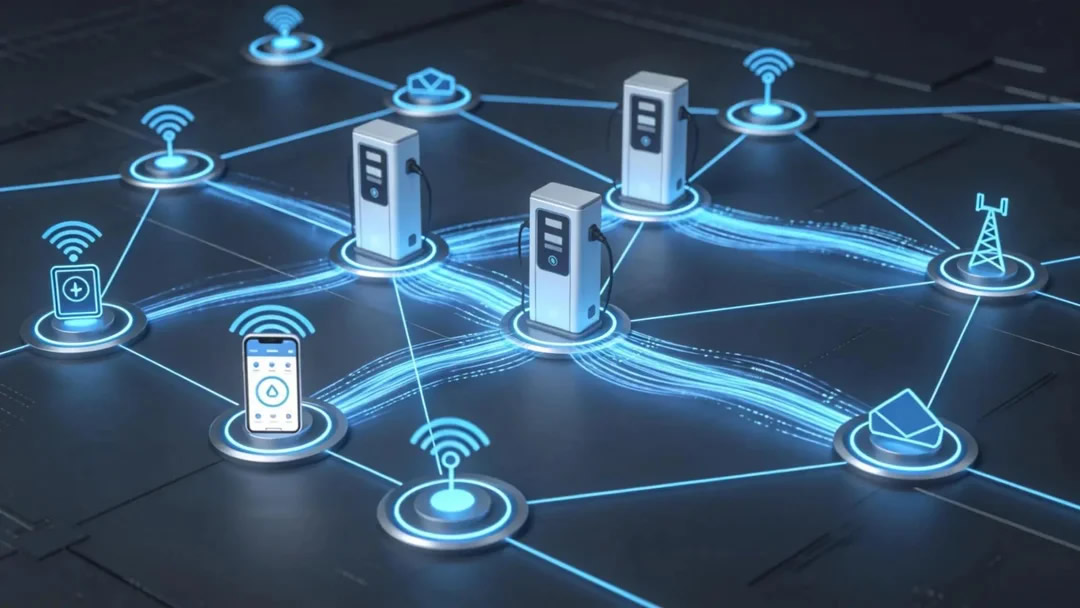
The industry is now shifting toward platforms that connect multiple layers:
- Charging stations
- Users and vehicles
- Payment systems
- Energy supply
- Data and analytics
Instead of focusing solely on installation, companies are building systems that manage and optimize the entire charging experience.
In this model, value is no longer created by the charger itself—but by the network it belongs to.
Data Becomes the Core Asset
One of the most important changes is the role of data.
Charging platforms collect and analyze information such as:
- User behavior
- Charging frequency
- Energy demand patterns
- Location efficiency
This data allows operators to optimize pricing, predict demand, and improve station placement.
Over time, data becomes a competitive advantage—one that hardware alone cannot provide.
Energy Management as a New Layer
Charging is not just about electricity—it is about managing energy intelligently.
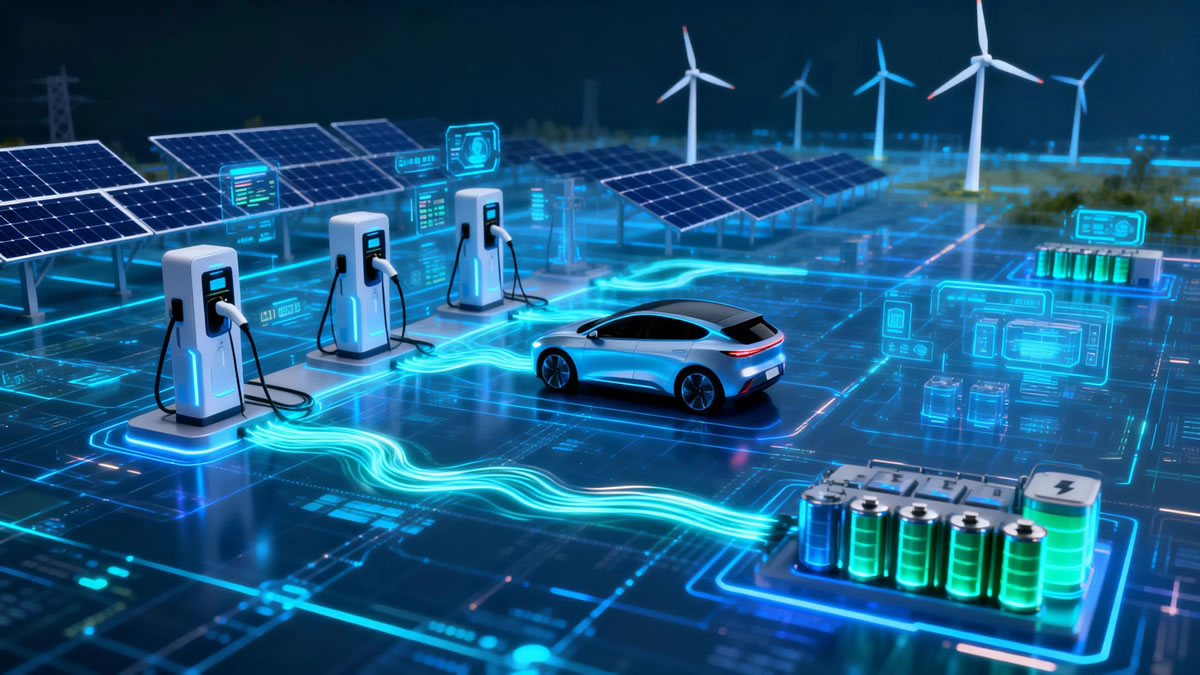
As more EVs connect to the grid, the pressure on energy systems increases. Platforms are now integrating:
- Load balancing
- Smart scheduling
- Renewable energy sources
- Energy storage systems
This transforms charging networks into active participants in the broader energy ecosystem.
User Experience Becomes Critical
In a platform-driven model, user experience plays a central role.
Drivers expect:
- Real-time availability
- Seamless payments
- Fast and reliable charging
- Integrated navigation
A fragmented experience can quickly push users to competing networks.
This is why platform integration—not just physical presence—is becoming the key differentiator.
From Operators to Ecosystem Builders
The companies leading this shift are no longer just installing infrastructure.
They are building ecosystems.
They connect hardware manufacturers, energy providers, software systems, and end users into a unified network. The stronger and more integrated the network, the more value it creates.
This is similar to what has happened in industries like telecommunications and digital platforms.
Scale alone is not enough—connectivity and coordination define success.
The Network Effect Advantage
As charging platforms grow, they begin to benefit from network effects.
More stations attract more users.
More users generate more data.
More data improves efficiency and service quality.
This creates a self-reinforcing cycle that is difficult for smaller or fragmented players to compete with.
In this sense, the future of EV charging may not be won by those who build the most chargers—but by those who build the most intelligent networks.
A Structural Shift in the Industry
What we are witnessing is not just technological progress—it is a structural transformation.
The industry is moving:
- From assets to systems
- From equipment to platforms
- From installation to operation
This shift will redefine how value is created, captured, and sustained.
The Real Question Ahead
As the market continues to expand, one question becomes increasingly important:
Will companies remain hardware providers—or evolve into platform operators?
Because in the next phase of the EV charging industry,
networks will matter more than nodes.
 April 12, 2026