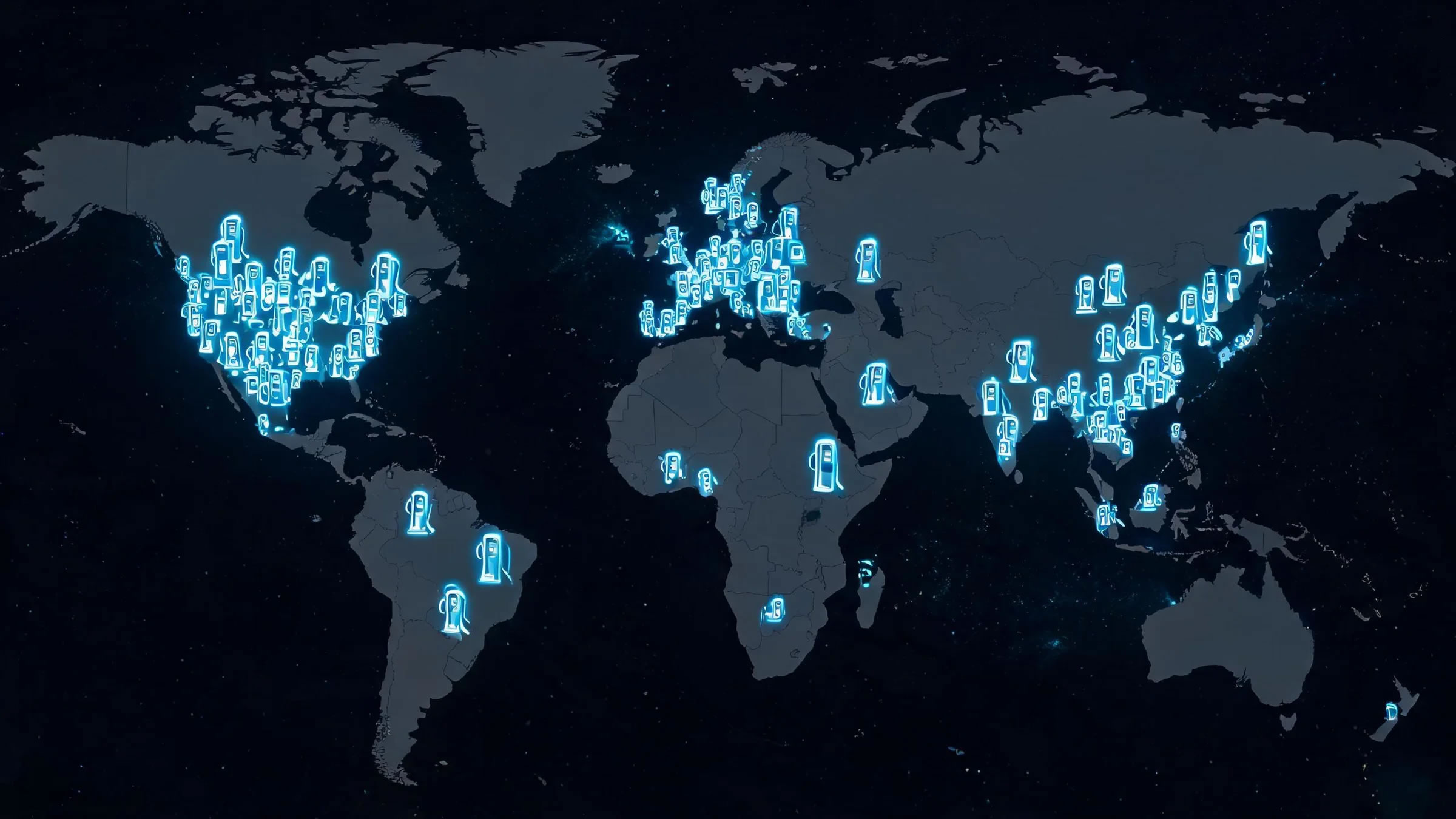
1. Market Overview: From Expansion to Acceleration
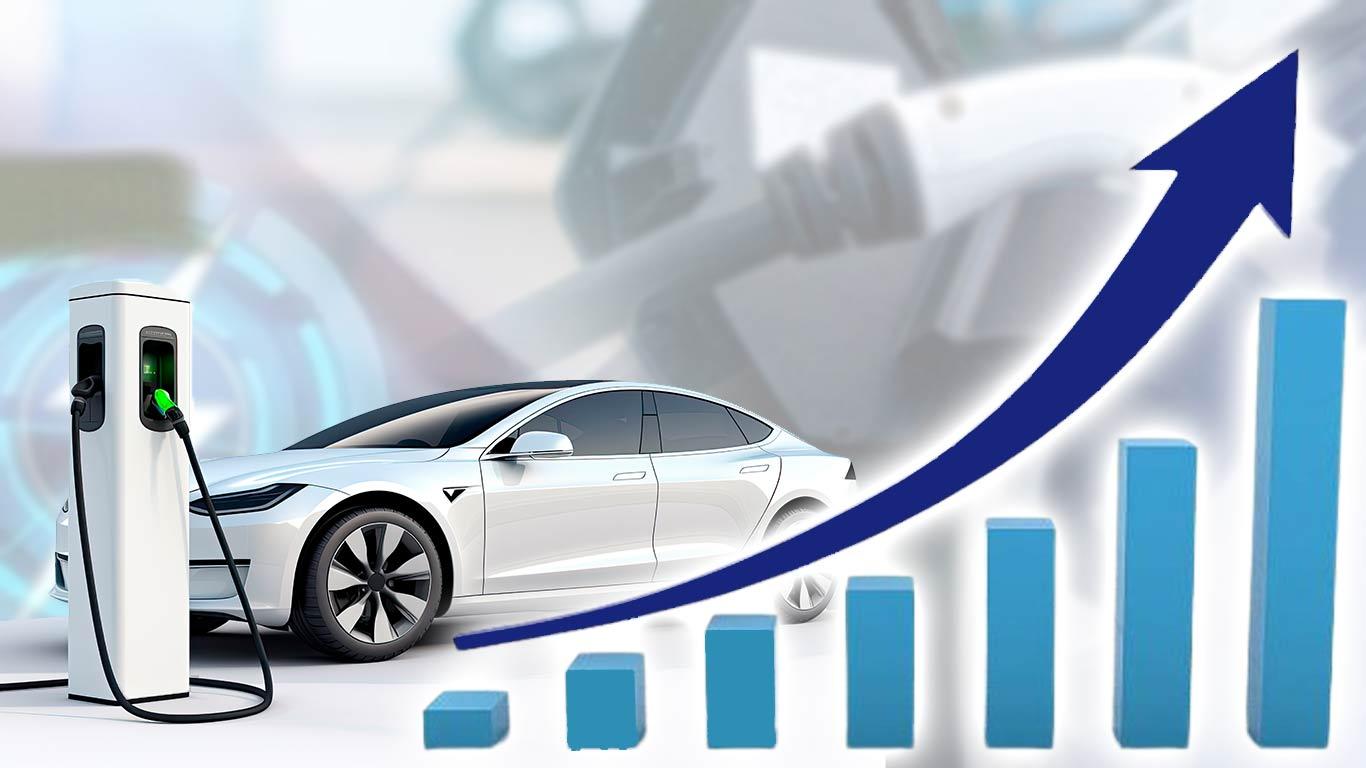
The global EV charging industry enters the second half of 2026 with a clear structural shift.
The first half of the year was characterized by steady expansion, policy reinforcement, and pilot infrastructure deployment in multiple regions. However, the second half is expected to transition into a phase of accelerated scaling and regional divergence.
While EV adoption continues to rise globally, infrastructure development is becoming increasingly uneven across markets.
2. Demand Growth Remains Strong but Uneven
Electric vehicle adoption is projected to maintain strong momentum through H2 2026. However, growth is not evenly distributed.
- Mature markets are experiencing saturation in key urban areas
- Emerging markets are entering early-stage rapid adoption
- Infrastructure density varies significantly by region
This divergence is creating a multi-speed global EV ecosystem, where infrastructure gaps are becoming more visible.
3. Infrastructure Pressure Becomes a Key Constraint
Across many regions, charging infrastructure is beginning to show structural stress:
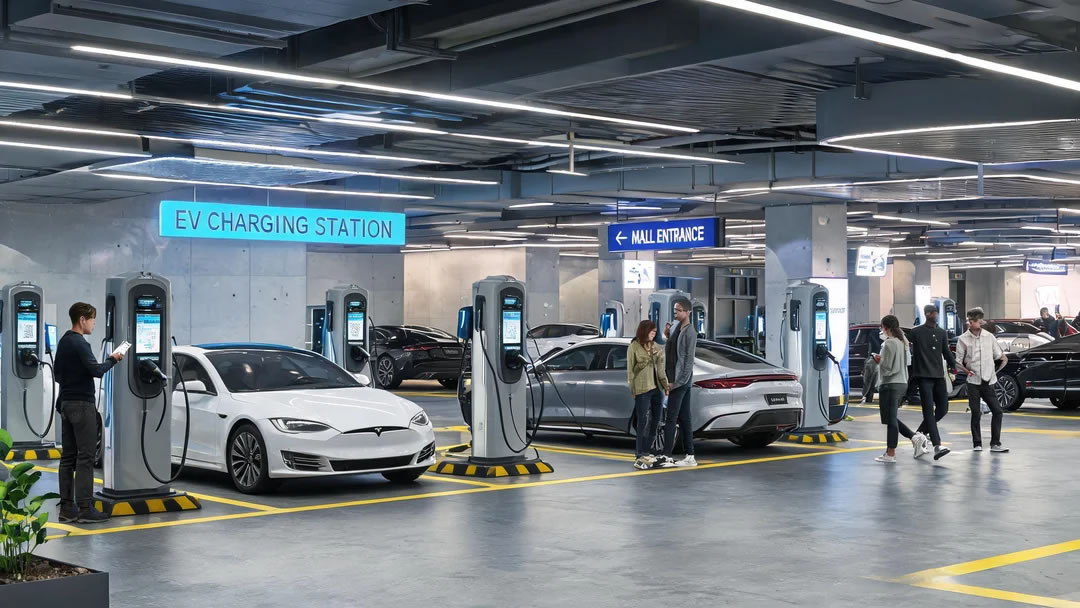
- Urban congestion at charging stations
- Insufficient fast-charging coverage
- Delays in grid integration for new installations
Rather than slowing adoption, these constraints are reshaping investment priorities toward network efficiency, utilization optimization, and scalable deployment models.
4. Capital Is Shifting Toward Emerging Markets
A notable trend in H2 2026 is the gradual shift of capital toward underpenetrated regions.
Markets such as Latin America, Southeast Asia, and parts of the Middle East are gaining attention due to:
- Lower infrastructure saturation
- Rapid urban EV adoption
- Higher marginal returns on early deployment
- Government-driven electrification policies
Among these, Latin America stands out as a region transitioning from early adoption to infrastructure acceleration.
5. From Hardware Deployment to Network Economics
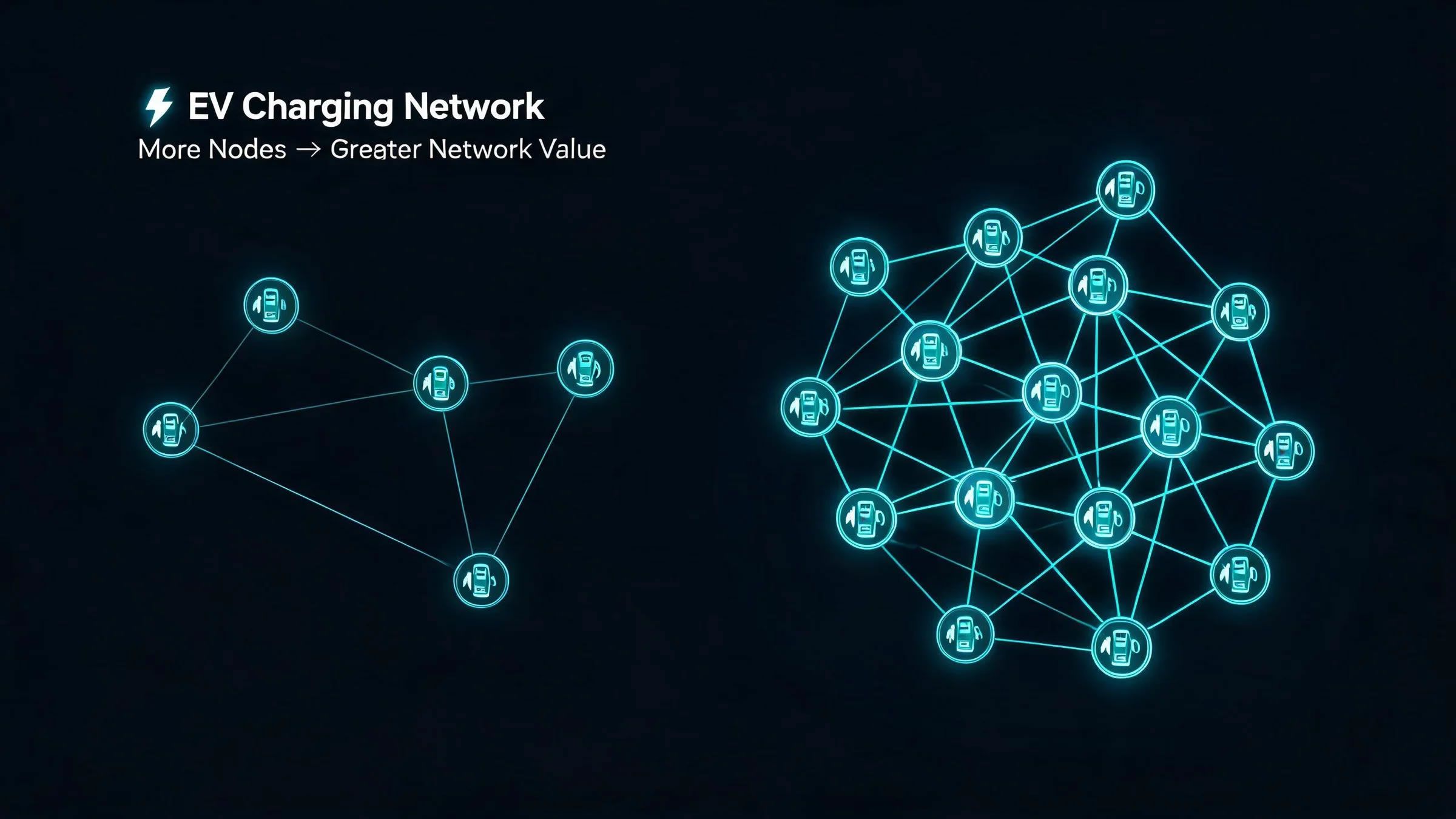
The EV charging industry is increasingly defined by network effects rather than standalone assets.
The key shift includes:
From individual charging stations → to integrated charging networks
This transformation introduces new performance drivers:
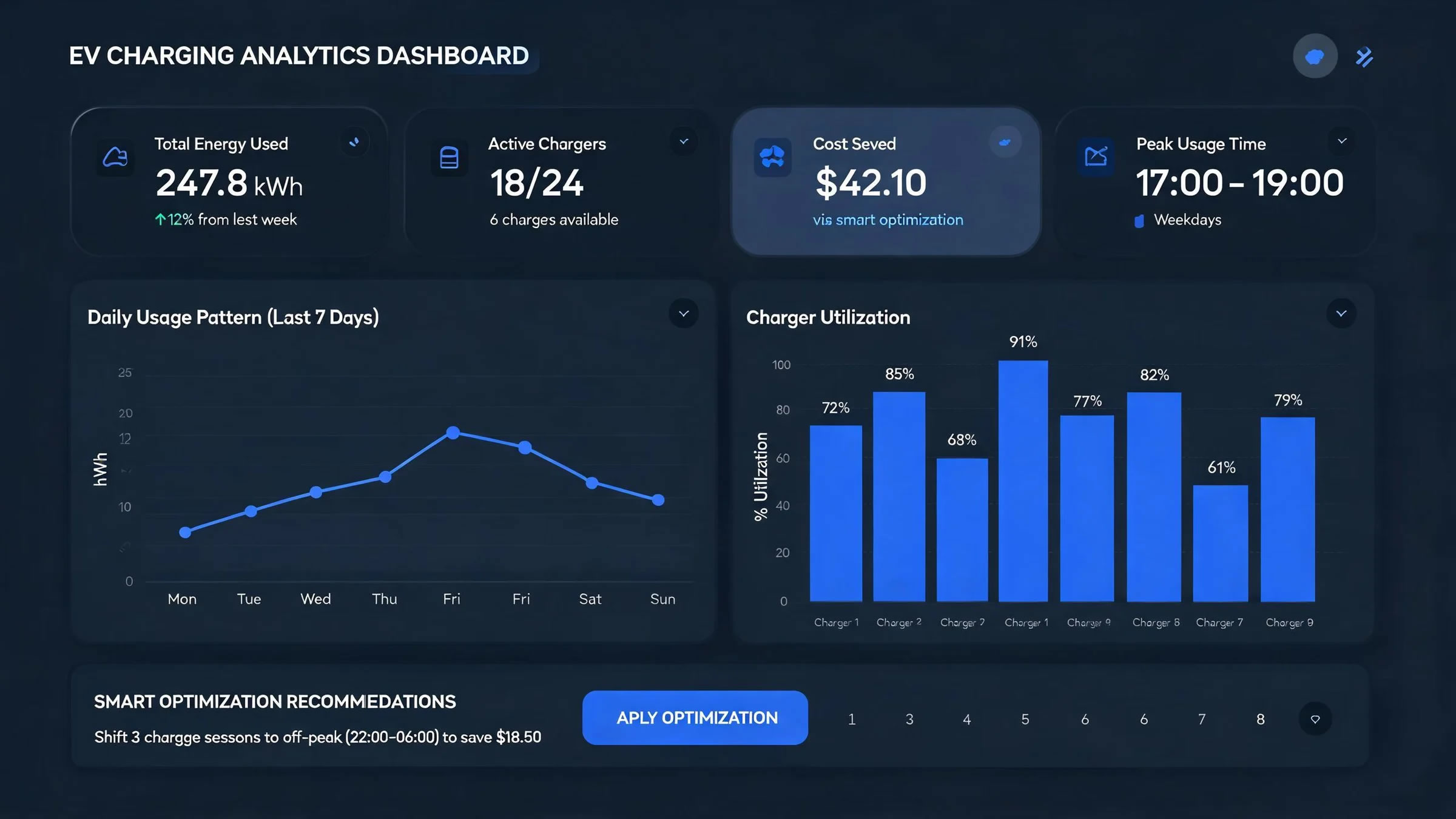
- Utilization rate
- Network density
- Energy optimization
- Platform-based operations
As a result, companies are focusing less on isolated installations and more on scalable ecosystem development.
6. Outlook for H2 2026
The second half of 2026 is expected to be shaped by three core dynamics:
- Acceleration in infrastructure deployment in high-growth regions
- Widening gap between mature and emerging markets
- Increasing importance of network-based business models
Rather than a uniform global expansion, the industry is entering a phase of structured divergence and strategic concentration.
Conclusion
The EV charging market in H2 2026 is not defined by slow, linear growth, but by acceleration and imbalance.
Markets with early infrastructure foundations will consolidate, while underdeveloped regions will experience rapid expansion phases.
For industry participants, the key variable is no longer whether demand exists, but where infrastructure will scale fastest and most efficiently.
 June 29, 2026