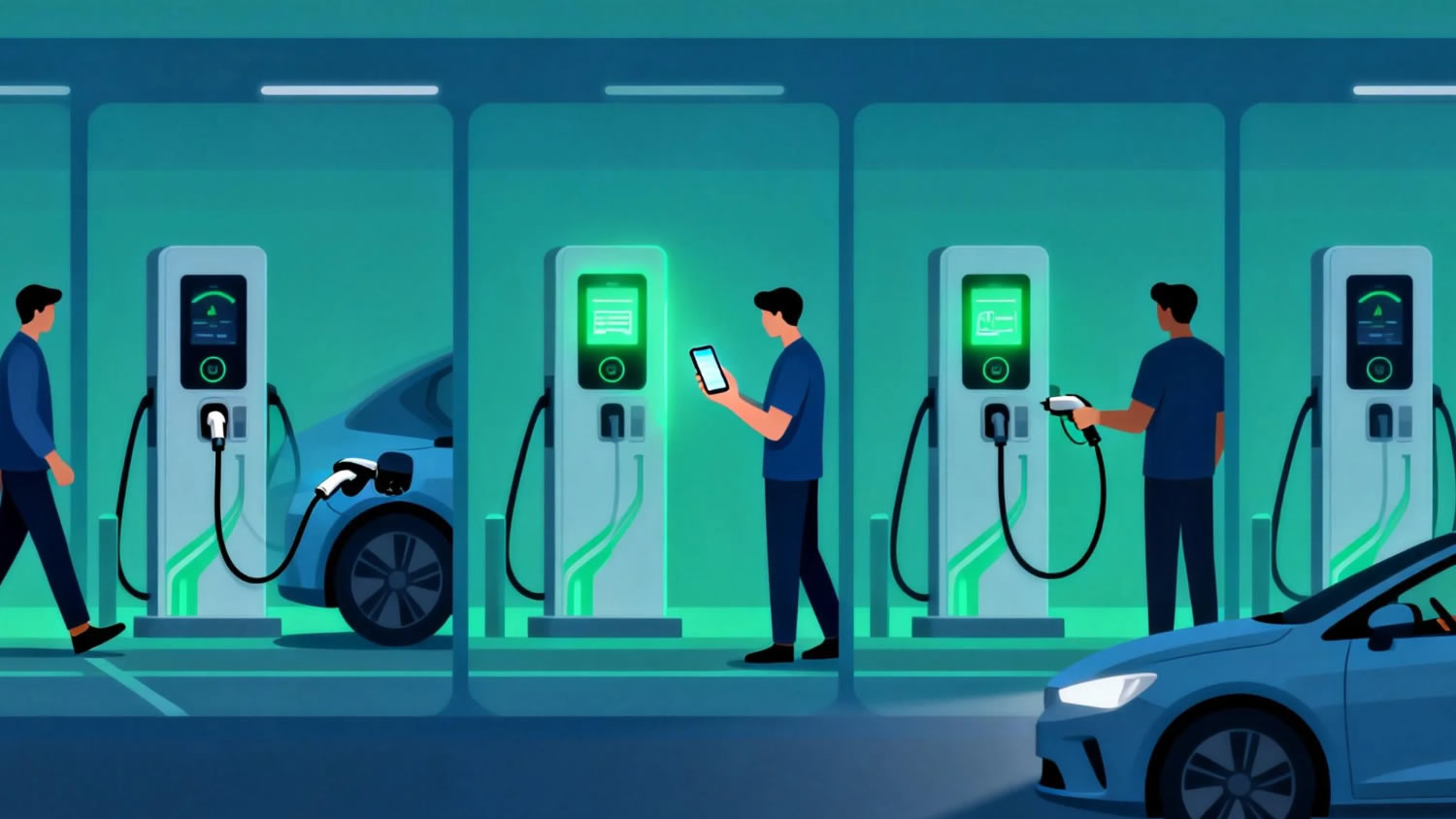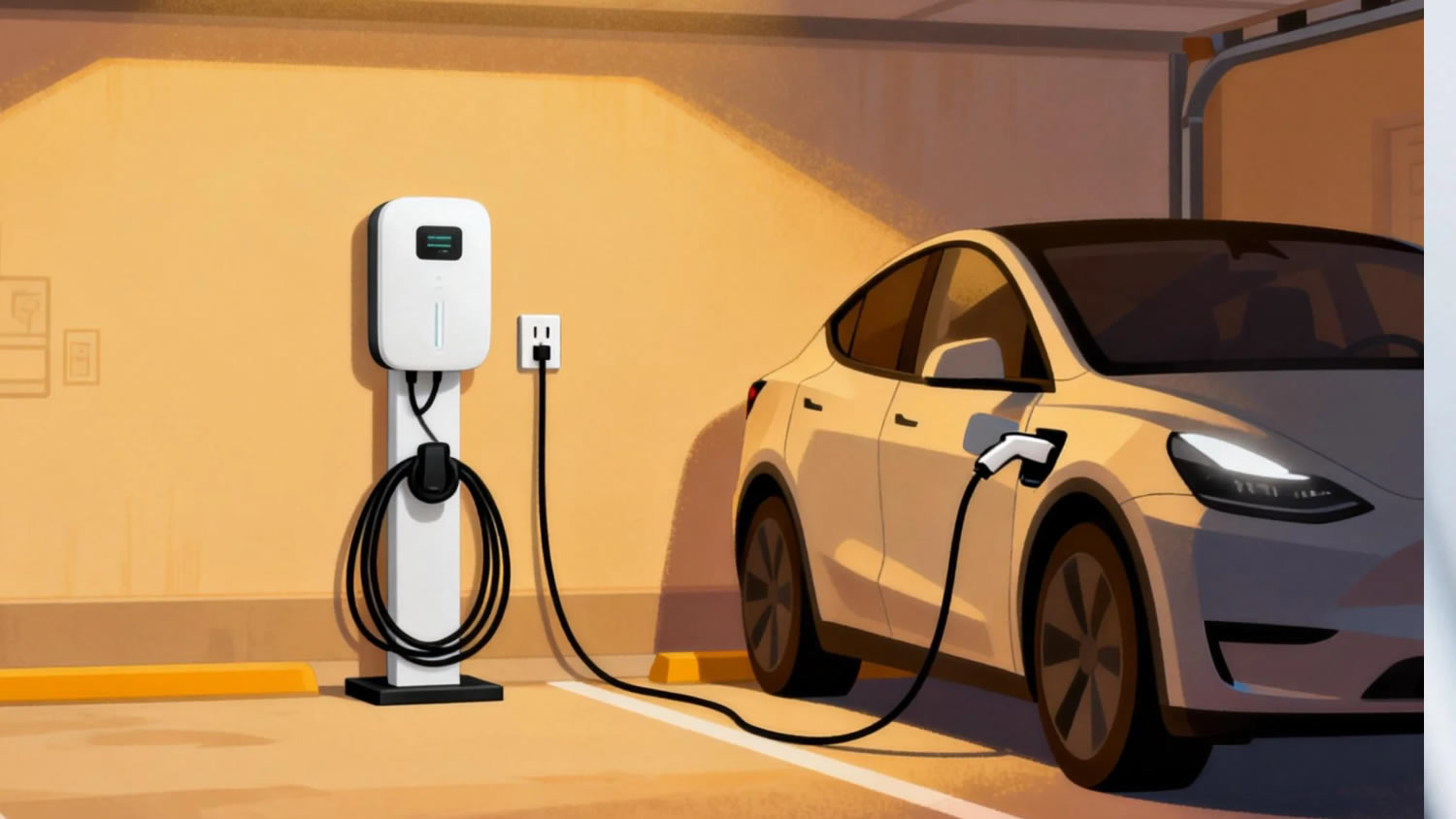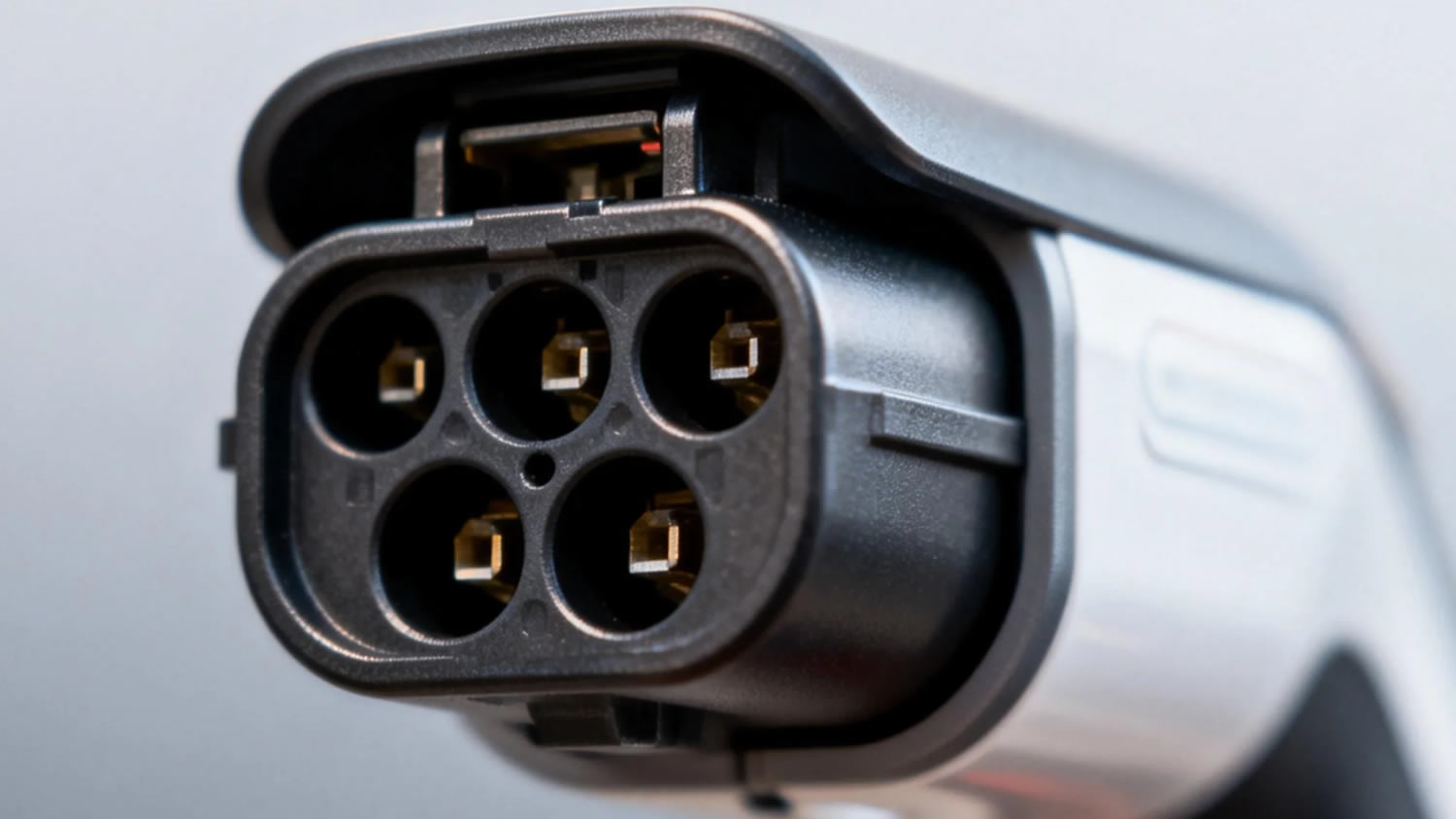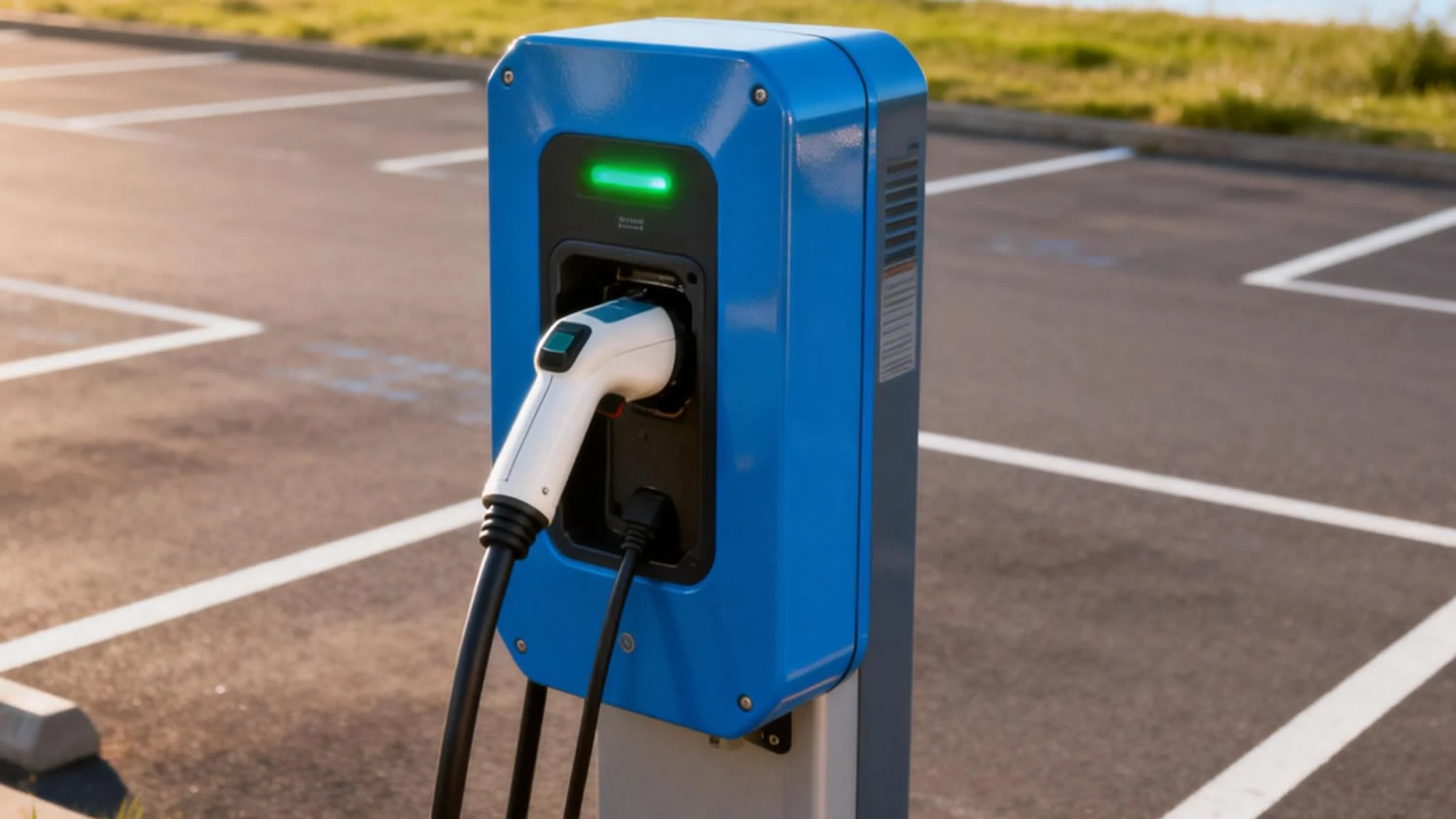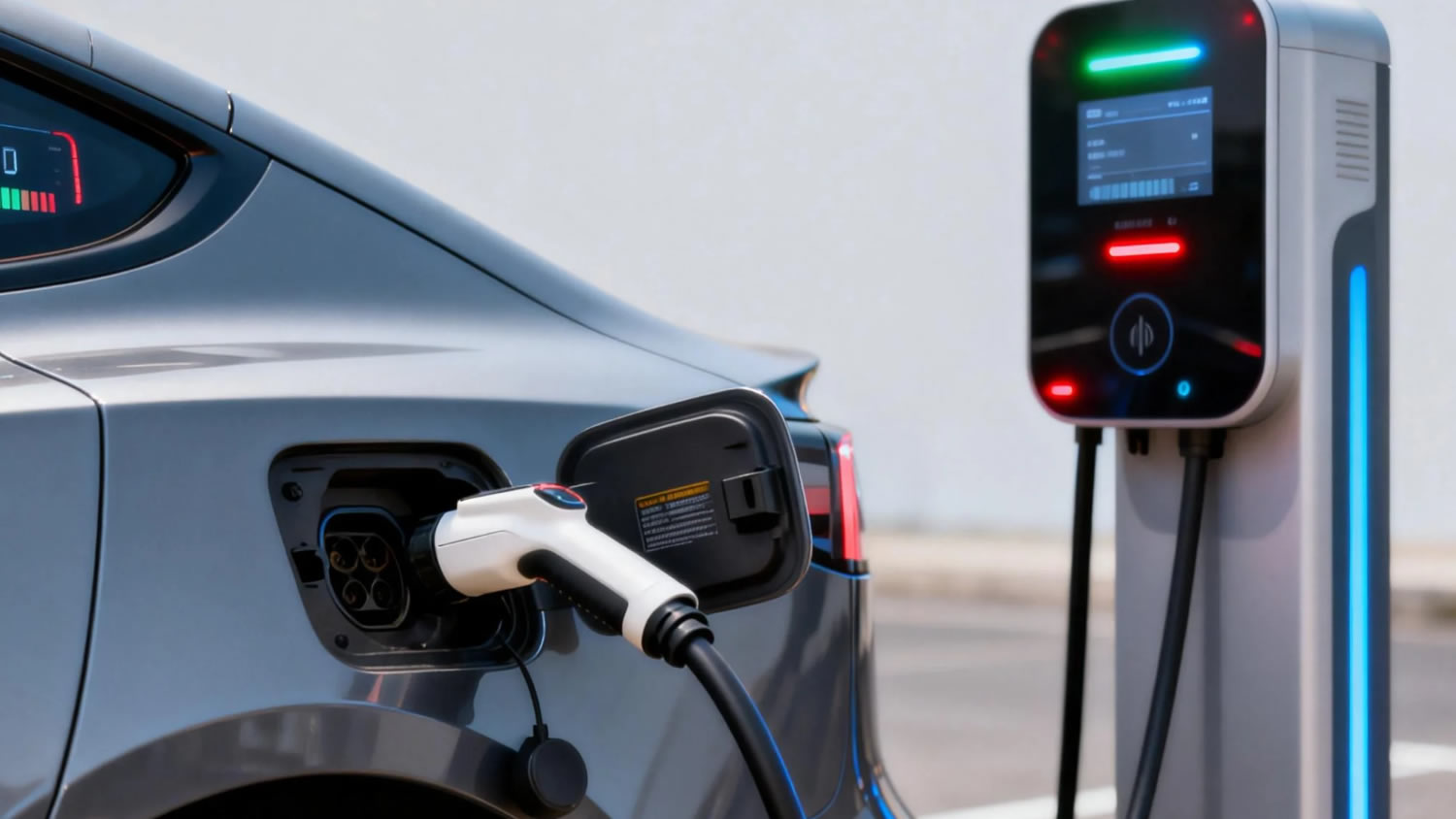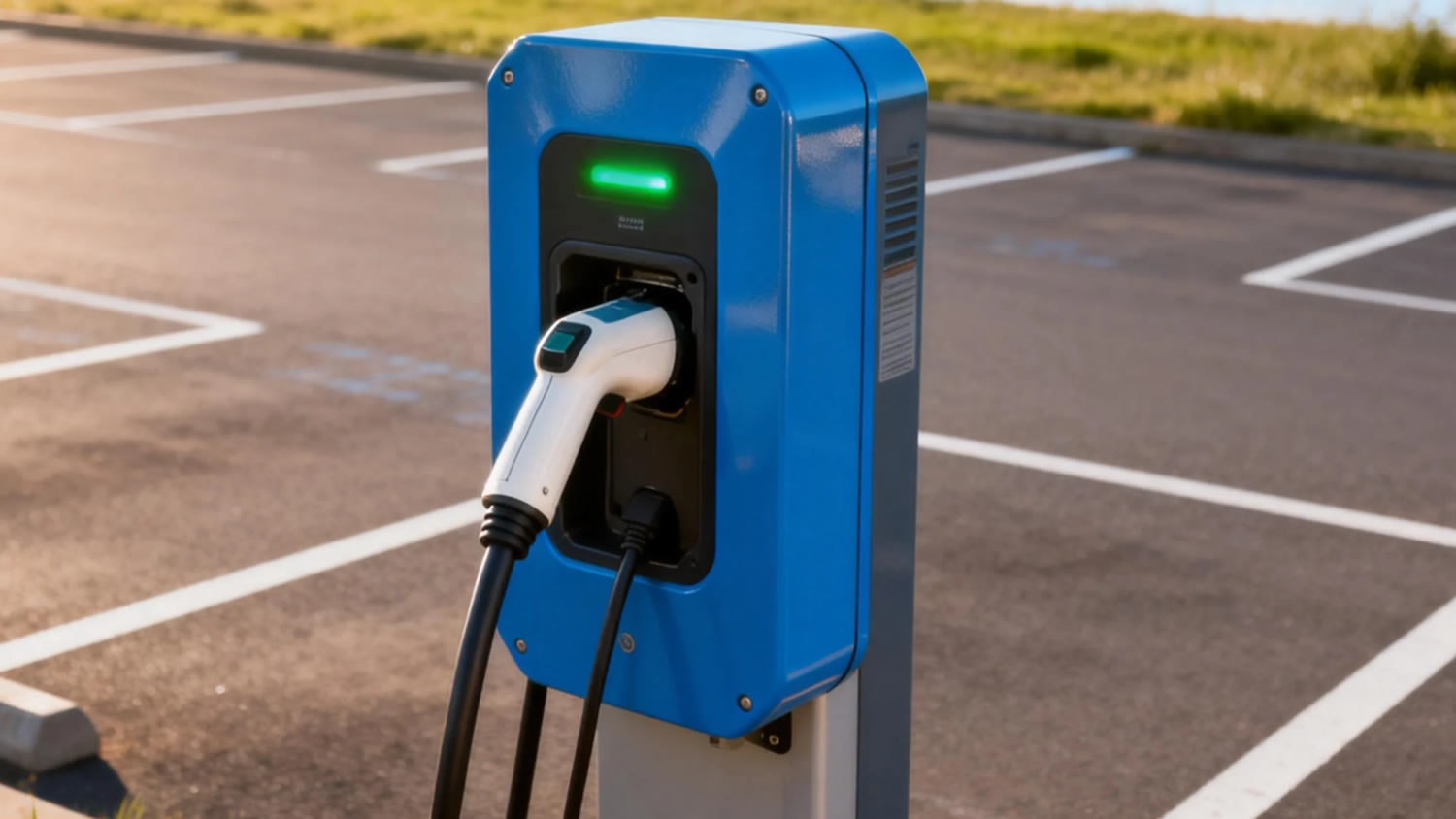
As electric vehicles (EVs) become increasingly popular, questions about the safety of charging stations naturally arise. Modern EV charging stations are designed with multiple layers of protection to ensure user safety, vehicle integrity, and compliance with global standards.
1. Safety Overview
EV charging stations are more than simple power outlets. They are intelligent systems that monitor electrical parameters, communicate with the vehicle, and implement safety protocols to prevent accidents.
Key safety considerations include:
-
Overcurrent and overvoltage protection: Prevents damage due to excessive electrical current or voltage fluctuations.
-
Overtemperature protection: Monitors heat generation to avoid overheating of both the charger and the vehicle battery.
-
Ground fault and leakage protection: Protects users from electric shock.
-
Communication and authentication: Ensures only authorized devices initiate charging.
2. Built-in Protective Mechanisms
Modern chargers integrate both hardware and software safety features:
-
Circuit breakers and fuses – Physically interrupt abnormal currents.
-
Temperature sensors – Monitor ambient and cable temperatures.
-
Battery management system (BMS) communication – The charger interacts with the vehicle BMS to adjust voltage and current.
-
Automatic shut-off – Stops charging immediately if anomalies occur, such as cable disconnection or short circuits.
-
Surge protection – Prevents damage from lightning strikes or grid surges.
These systems work together to minimize risk and maintain reliability.
3. Compliance with International Standards
Charging stations comply with global safety standards, including:
-
IEC 61851 – International standard for EV conductive charging systems.
-
UL 2202 / UL 2594 – Safety certifications widely adopted in the United States.
-
CE marking – Compliance with European Union safety, health, and environmental regulations.
-
ISO 15118 – Standard for vehicle-to-grid (V2G) communication security.
Compliance ensures that chargers operate safely under different electrical networks and environmental conditions.
4. User Safety Practices
Even with advanced safety features, proper usage is important:
-
Always use certified cables and connectors.
-
Avoid using chargers with visible damage or worn cables.
-
Follow manufacturer instructions for home and public chargers.
-
Ensure chargers are installed in well-ventilated areas and away from water exposure.
These practices complement built-in safety mechanisms.
5. Safety Differences Between AC and DC Chargers
-
AC chargers: Lower power levels, simpler construction, lower thermal stress, generally safer for home environments.
-
DC chargers: Higher power, complex electronics, and significant heat generation. Safety measures such as active cooling and real-time monitoring are critical.
Both types are safe when properly installed and maintained, but DC fast chargers require more advanced infrastructure and maintenance.
6. Trends in Safety Technology
Future EV charging safety will include:
-
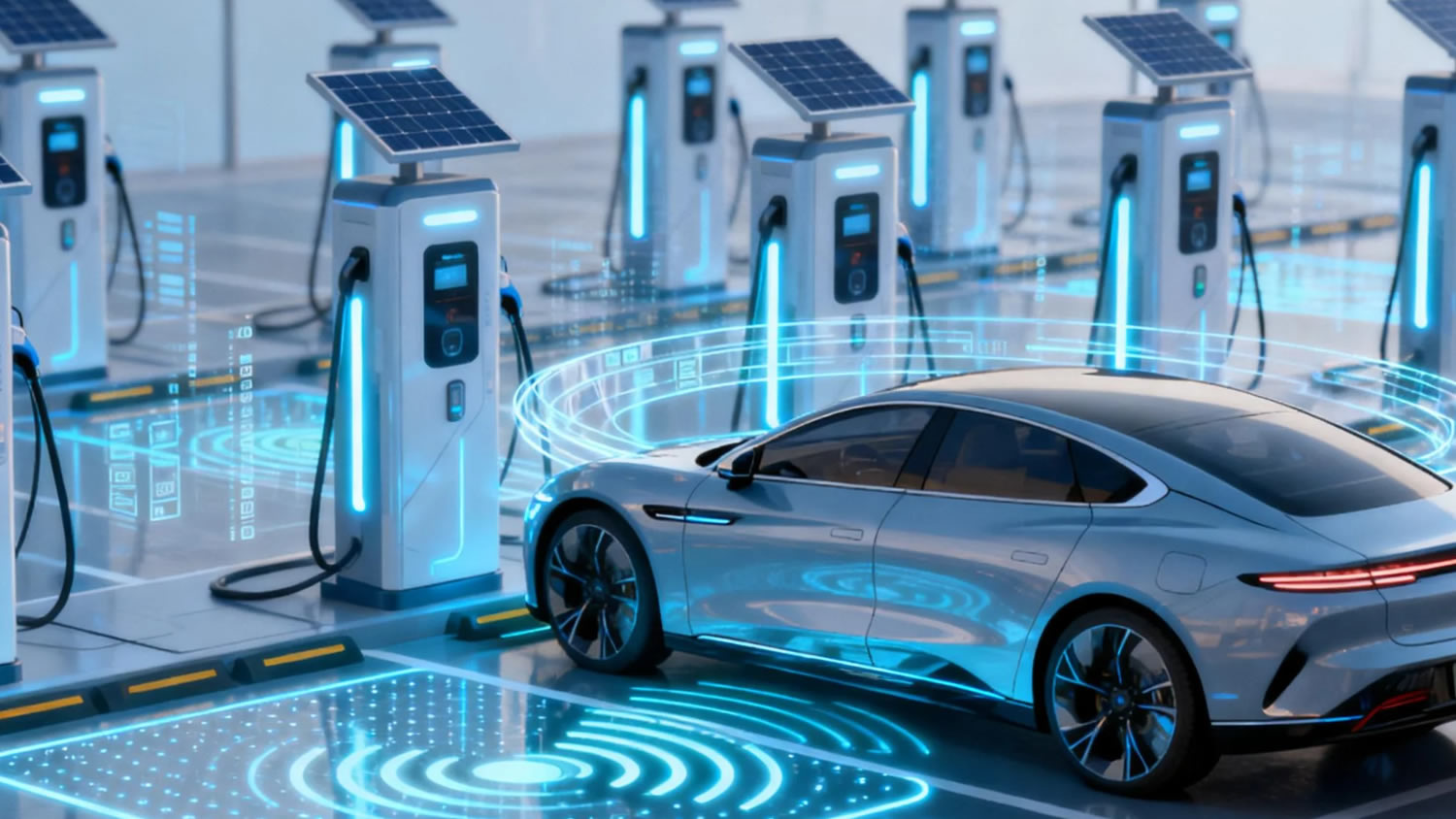
Smart monitoring systems that detect faults remotely.
-
Predictive maintenance using IoT sensors to prevent failures before they happen.
-
Integration with energy management systems to stabilize grid fluctuations and prevent overloads.
These innovations aim to increase reliability and reduce risk, especially in high-traffic public charging networks.
Summary
EV charging stations are equipped with comprehensive safety systems and adhere to international standards. Both AC and DC chargers are safe when installed correctly and used according to guidelines. Awareness of charging practices and proper maintenance further enhances safety, making EV charging a reliable and secure experience for users worldwide.
 February 10, 2026