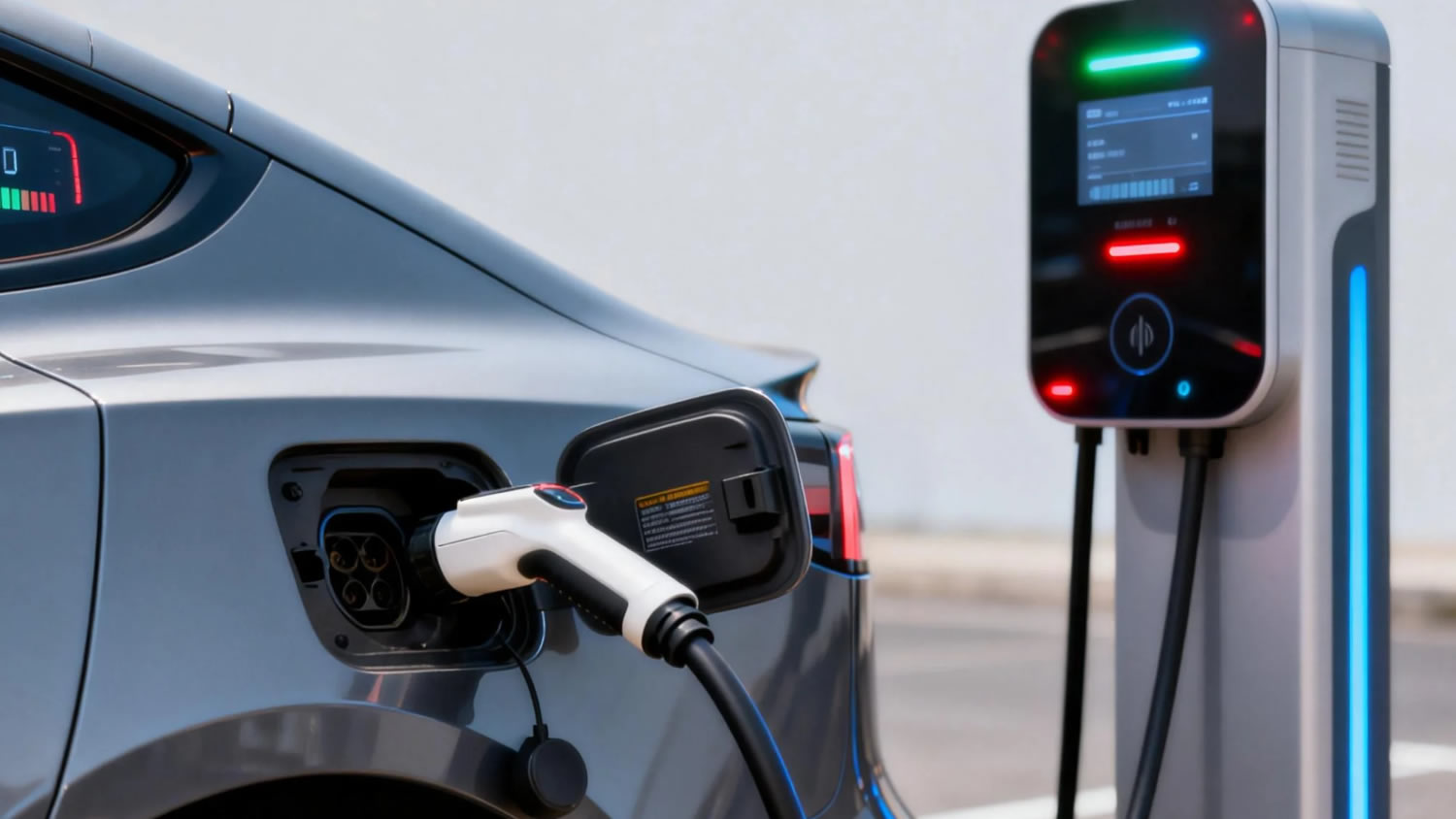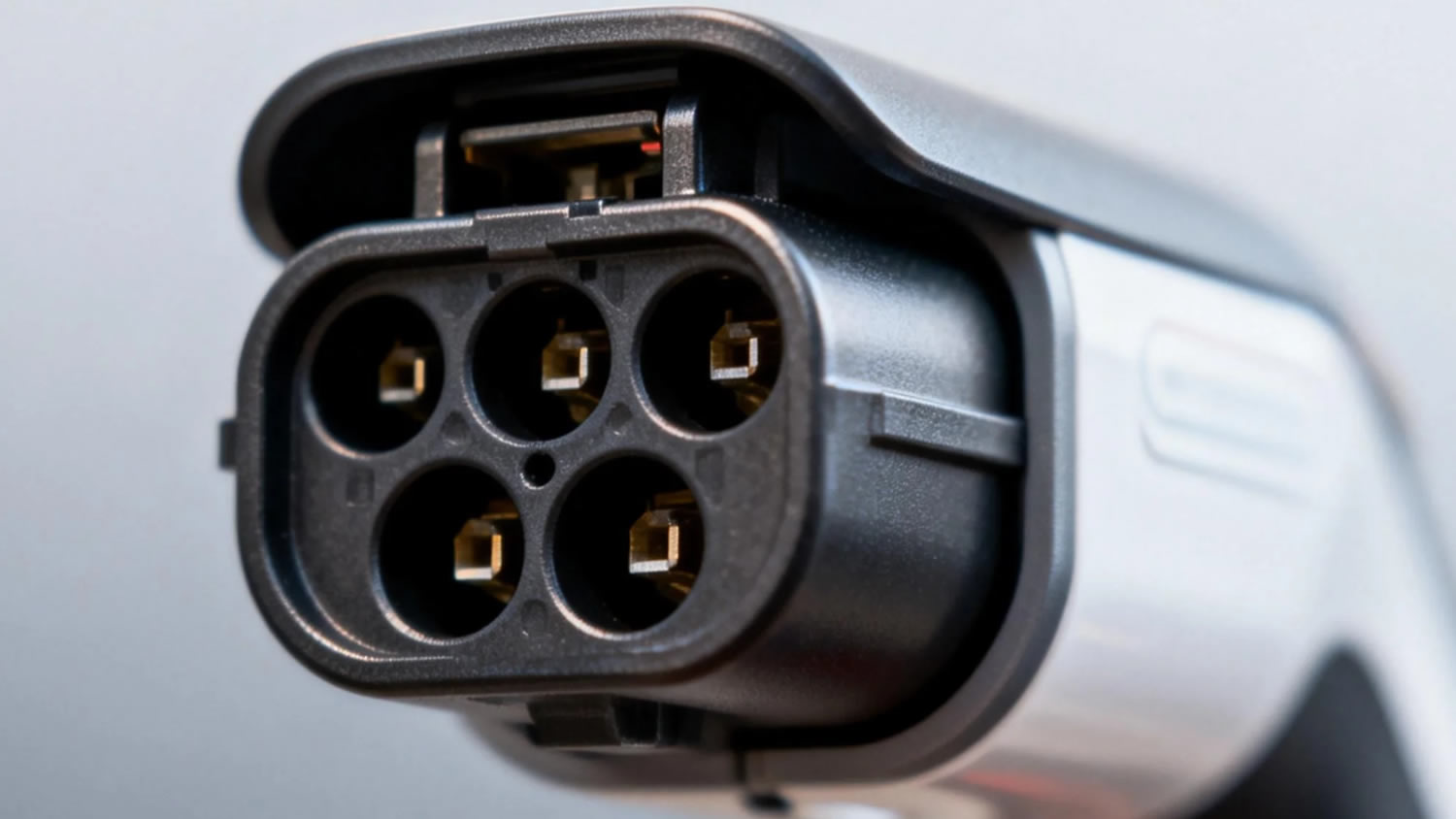
Electric vehicle (EV) charging connectors are a critical aspect of the EV ecosystem, determining how energy flows from the charging station to the vehicle. A clear understanding of connector types and international standards is essential for EV users, manufacturers, and charging infrastructure operators.
1. AC and DC Charging Interfaces
EV chargers are categorized not only by power (AC or DC) but also by the connector type:
-
AC Charging Connectors:
-
Type 1 (SAE J1772): Common in North America; single-phase AC charging.
-
Type 2 (Mennekes): Standard in Europe; supports single-phase and three-phase AC charging.
-
GB/T AC: Standard in China; similar to Type 2 but region-specific.
-
-
DC Charging Connectors:
-
CCS (Combined Charging System): Compatible with Type 1 or Type 2; allows fast DC charging. Widely adopted in Europe and North America.
-
CHAdeMO: Originated in Japan; used for DC fast charging.
-
GB/T DC: Chinese DC fast-charging standard.
-
2. Connector Characteristics
Connectors differ in physical design, power capacity, and communication protocols:
-
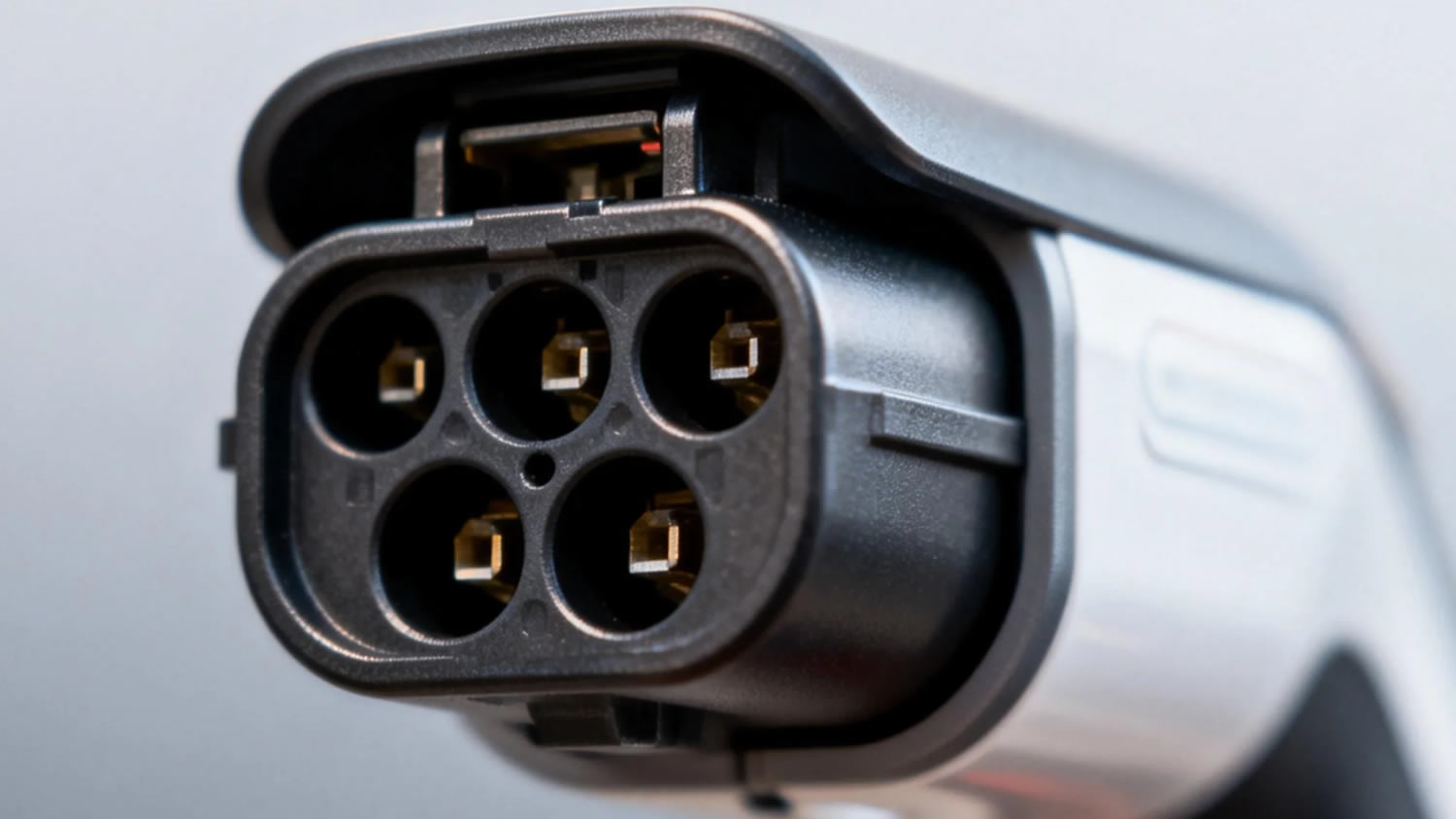
Pin configuration: Determines voltage, current, ground, and control signals.
-
Charging speed: AC connectors usually up to 22 kW; DC connectors from 50 kW to 350 kW.
-
Communication: Enables vehicle and charger to exchange information, control current, and monitor battery health.
3. International Standardization
Charging standards ensure safety, interoperability, and global compatibility:
-
IEC 62196: International standard for conductive charging plugs and sockets; defines Type 1 and Type 2 connectors.
-
IEC 61851: Specifies charging modes, safety, and control protocols.
-
ISO 15118: Defines vehicle-to-grid (V2G) communication and plug-and-charge capabilities.
-
UL 2594 / UL 2202: Safety certifications in North America.
Standardization allows EV users to charge across regions with compatible chargers while ensuring electrical safety.
4. Regional Adoption Trends
-
Europe: Type 2 for AC; CCS for DC fast charging.
-
North America: Type 1 for AC; CCS for DC; CHAdeMO still present in some networks.
-
China: GB/T for AC and DC; rapid domestic adoption.
-
Japan: CHAdeMO widely used for DC fast charging.
These regional differences emphasize the importance of multi-standard charging stations in public networks.
5. Plug-and-Charge and Smart Charging
Modern standards like ISO 15118 enable advanced features:
-
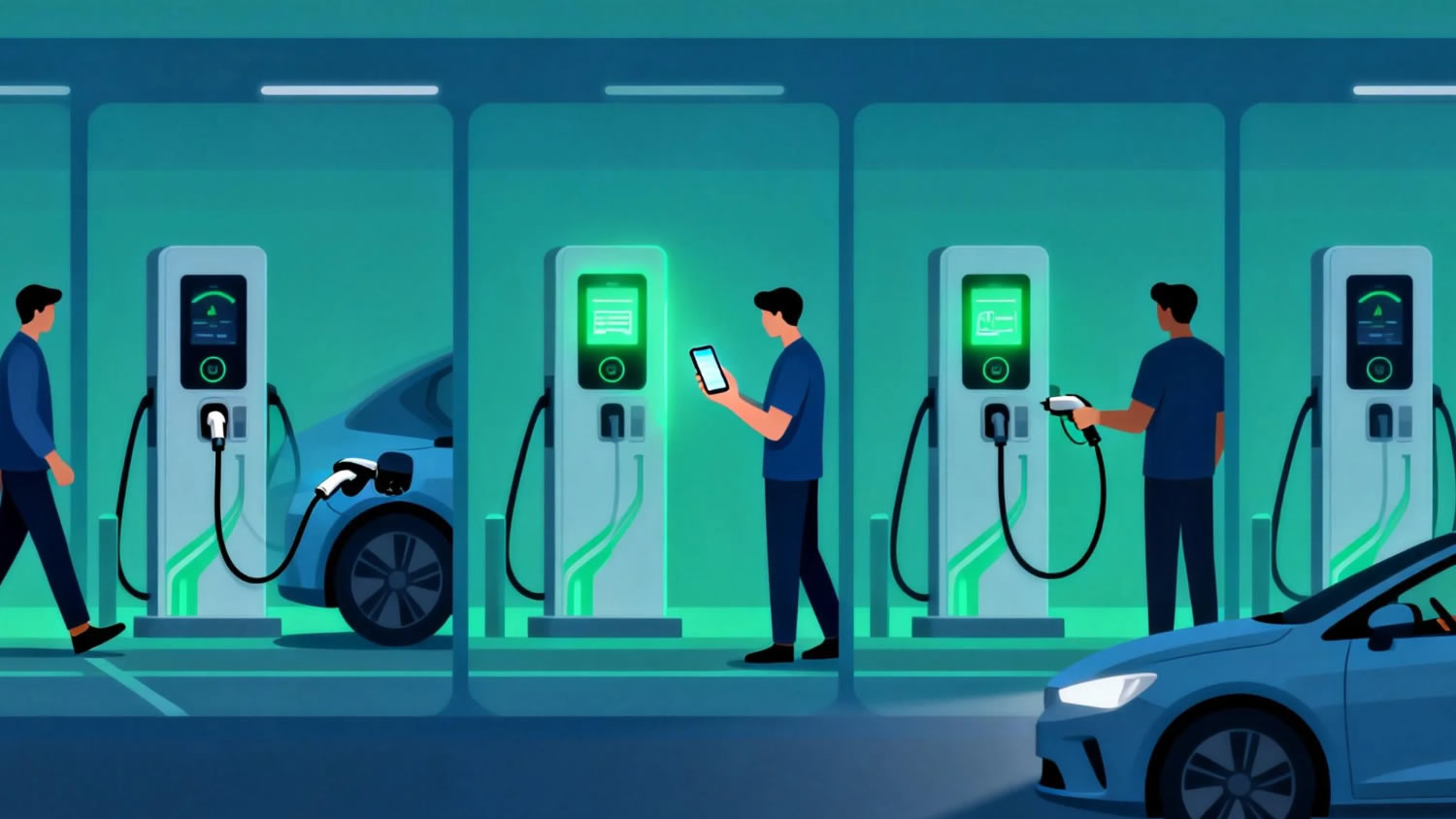
Plug-and-Charge: Vehicle authenticates automatically with the charger; no cards or apps needed.
-
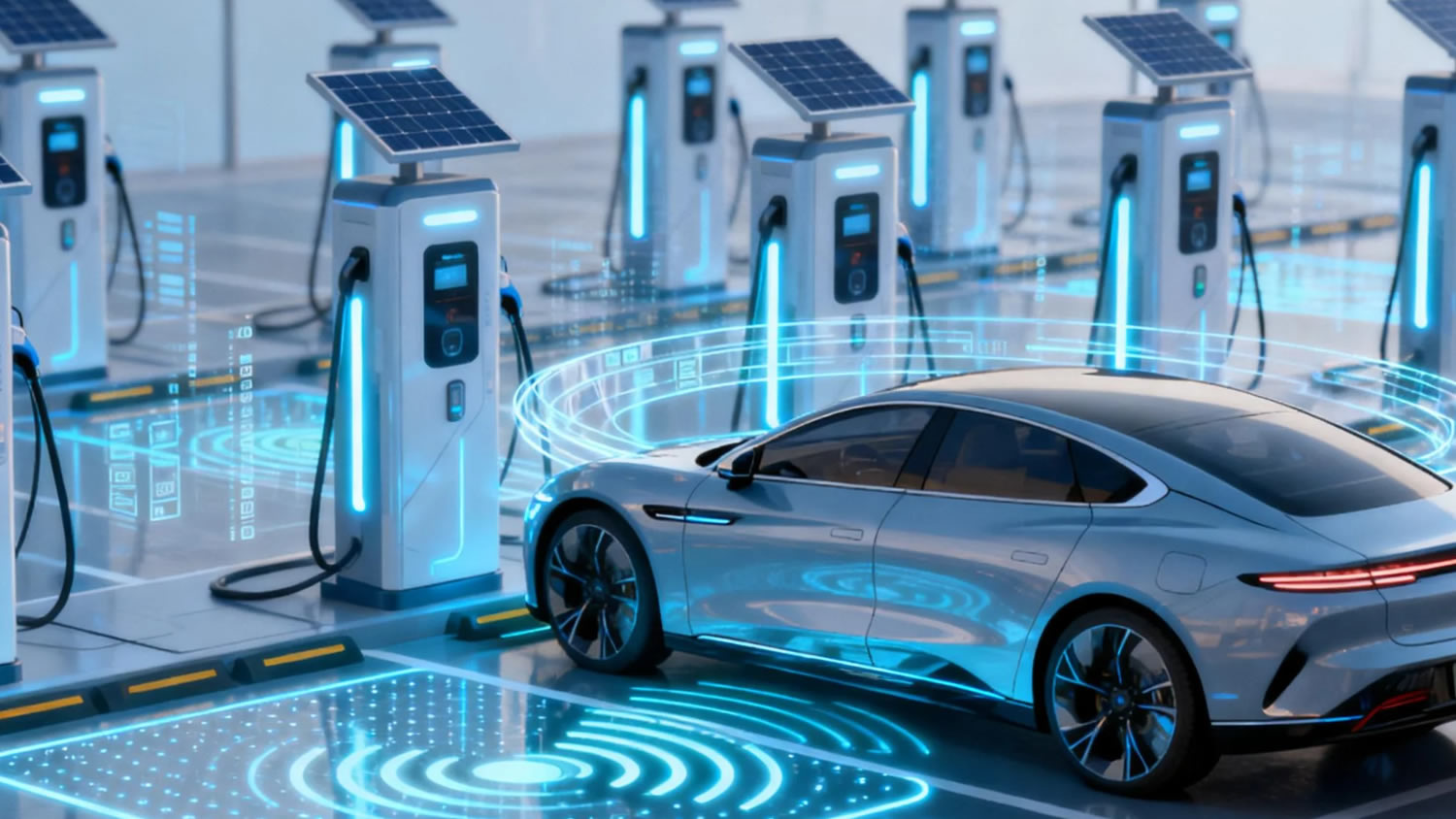
Smart charging: Chargers adjust power dynamically based on grid load, battery state, and energy costs.
-
Vehicle-to-Grid (V2G): Some systems allow bidirectional energy flow, letting vehicles discharge power back to the grid.
These features enhance user convenience, optimize energy usage, and support sustainable energy systems.
6. Practical Recommendations
-
Users should verify connector compatibility before charging in a new region.
-
Charging station operators should support multiple standards where possible.
-
For long-distance travel, DC fast chargers with CCS or CHAdeMO interfaces are essential.
-
Adoption of ISO 15118-compliant chargers ensures future-proof plug-and-charge capabilities.
Summary
EV charging connectors and international standards are essential to ensure safe, efficient, and interoperable charging. AC connectors serve daily charging needs, while DC connectors enable fast energy replenishment. Global standardization, communication protocols, and smart features like Plug-and-Charge will shape the future of EV charging networks.
 February 10, 2026