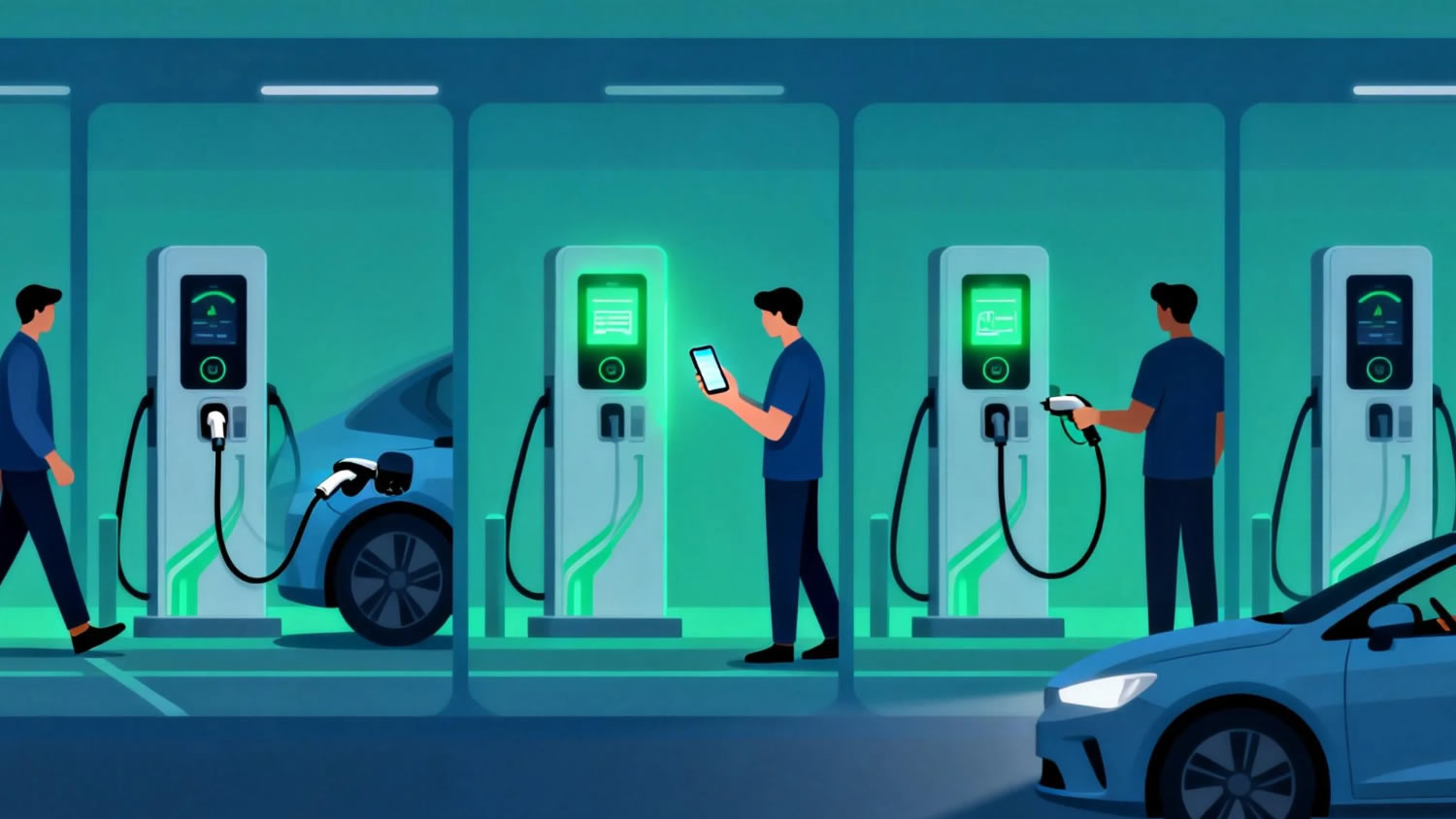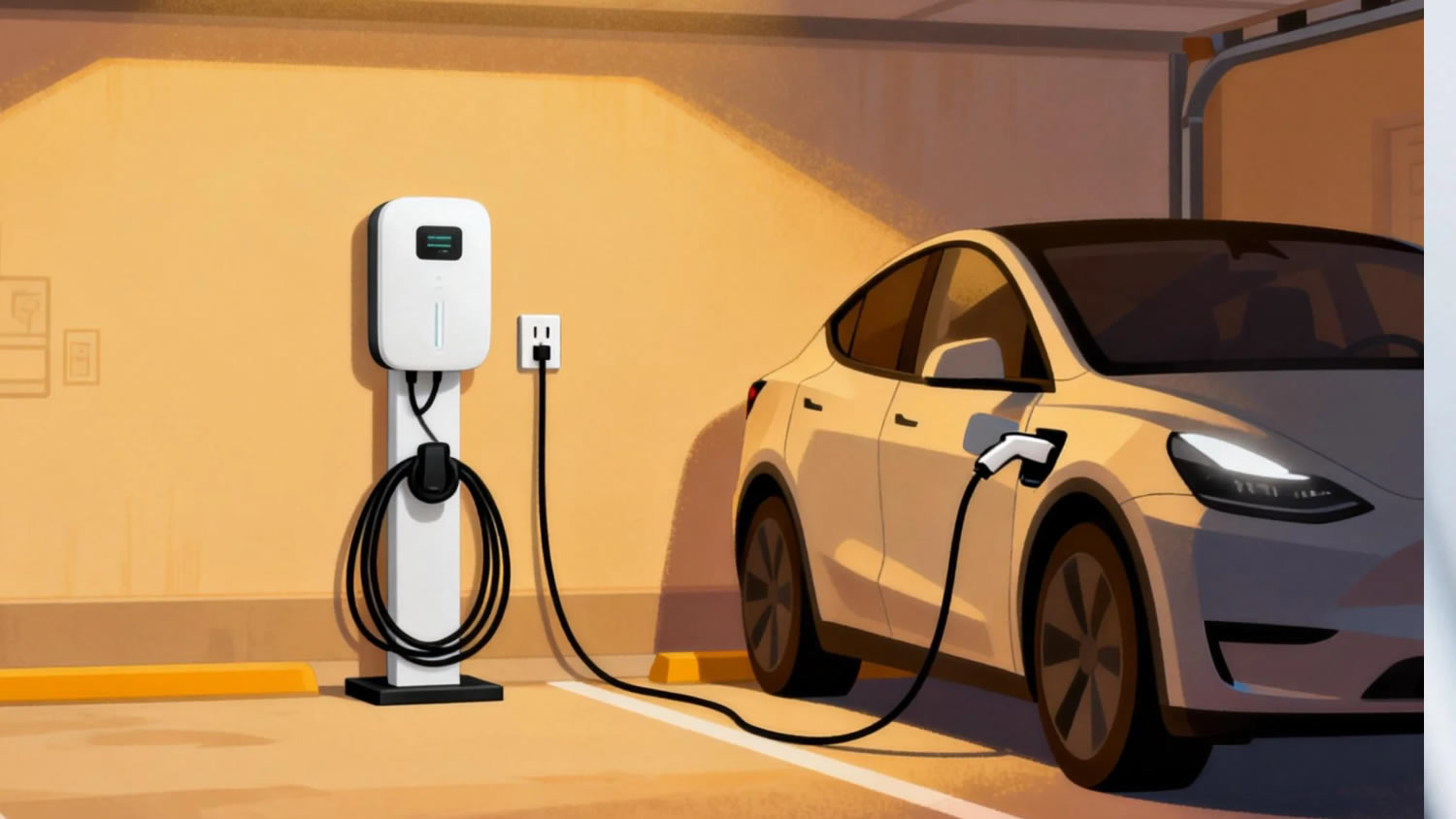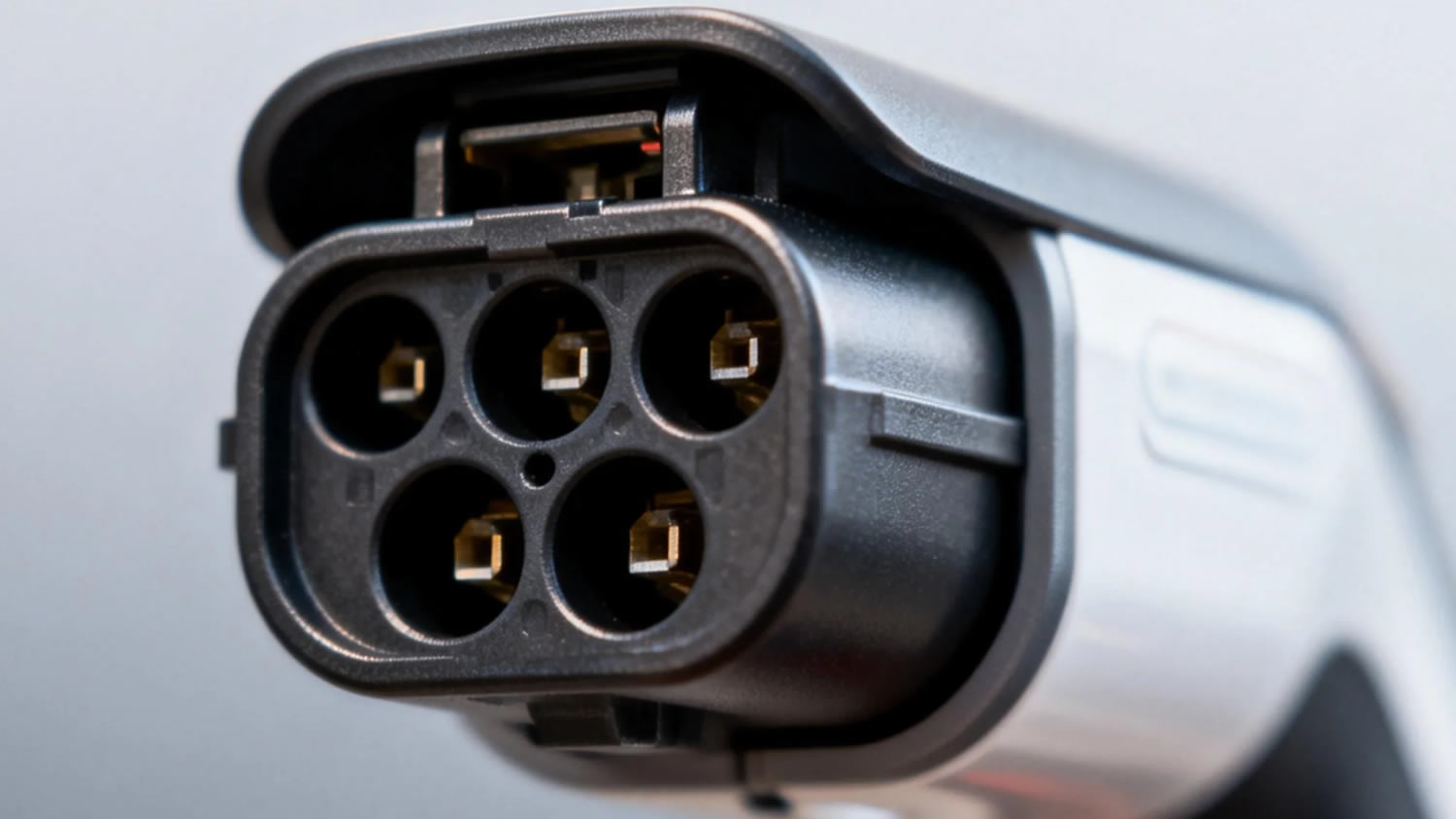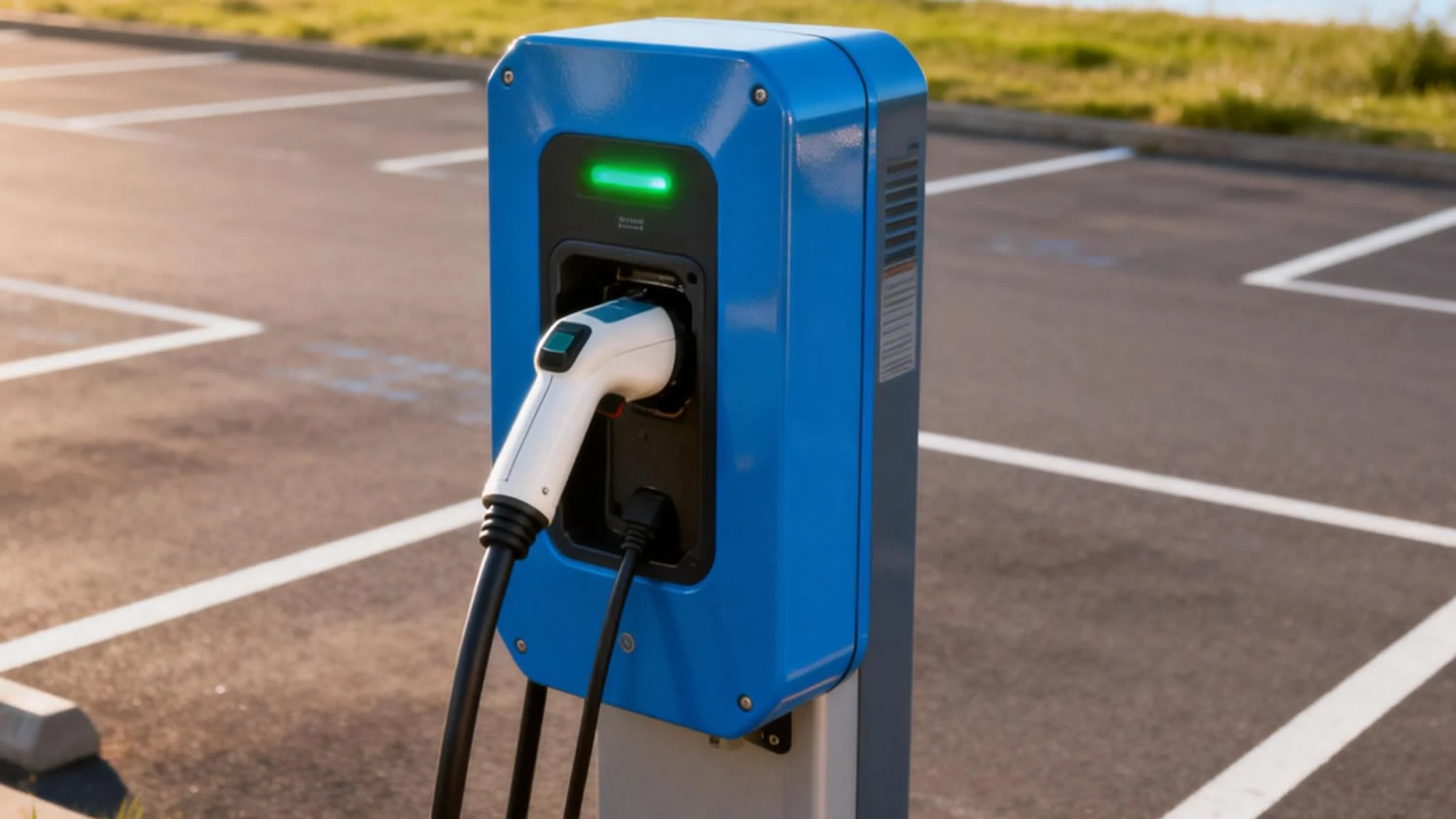
With the rapid adoption of electric vehicles (EVs), home charging has become a practical and convenient solution for daily energy replenishment. Installing a home EV charging station requires consideration of electrical capacity, installation environment, safety, and regulatory compliance. Understanding these requirements ensures efficient, safe, and reliable home charging.
1. Electrical Capacity
The most important factor for a home charger is the available electrical capacity:
-
Single-phase AC supply: Common in residential settings; suitable for chargers up to 7 kW or 11 kW.
-
Three-phase AC supply: Offers higher power for chargers up to 22 kW; may require utility coordination.
-
Circuit breaker rating: Ensure proper protection; typically 32–40 A for most residential chargers.
-
Dedicated electrical line: Home chargers should be connected via a dedicated circuit to avoid overloading household wiring.
Proper assessment of electrical capacity prevents overheating, voltage drops, and ensures consistent charging performance.
2. Charger Selection
Home chargers differ in power output, safety features, and connectivity:
-
Power rating: Typically 3–22 kW depending on the home grid and vehicle.
-
Safety protections: Overcurrent, overvoltage, leakage detection, and temperature monitoring.
-
Smart features (optional): Wi-Fi or app integration for remote monitoring, scheduling, and energy management.
Selecting the right charger ensures compatibility with both the home infrastructure and the EV.
3. Installation Environment
The physical installation environment affects safety and longevity:
-
Indoor or outdoor: Chargers can be wall-mounted in garages or carports; outdoor chargers require weatherproof enclosures.
-
Ventilation: Proper airflow prevents overheating.
-
Proximity to the vehicle: Cable length should be sufficient for convenient connection without creating trip hazards.
-
Protection from moisture: Ensure IP-rated enclosures to avoid water ingress.
Adhering to installation guidelines prevents accidents and extends the charger’s lifespan.
4. Regulatory and Code Compliance
Home chargers must comply with local electrical and safety regulations:
-
National Electrical Code (NEC) / local equivalents: Specifies wiring standards, grounding, and protection.
-
Certification standards: UL 2202 / UL 2594 in the U.S., CE marking in Europe, CCC in China.
-
Permit requirements: Some regions require utility notification or municipal permits for installation.
Compliance ensures safety, legality, and insurance coverage in case of incidents.
5. User Safety Considerations
Even a well-installed charger requires proper usage:
-
Only use certified cables and connectors.
-
Avoid using chargers with visible damage.
-
Follow the manufacturer’s instructions for operation and maintenance.
-
Keep the charging area clean, dry, and free of flammable materials.
Following these practices complements the built-in safety features of modern home chargers.
6. Future-proofing
As EV technology advances, homeowners may consider:
-
Higher power chargers: Support for future EVs with larger batteries.
-
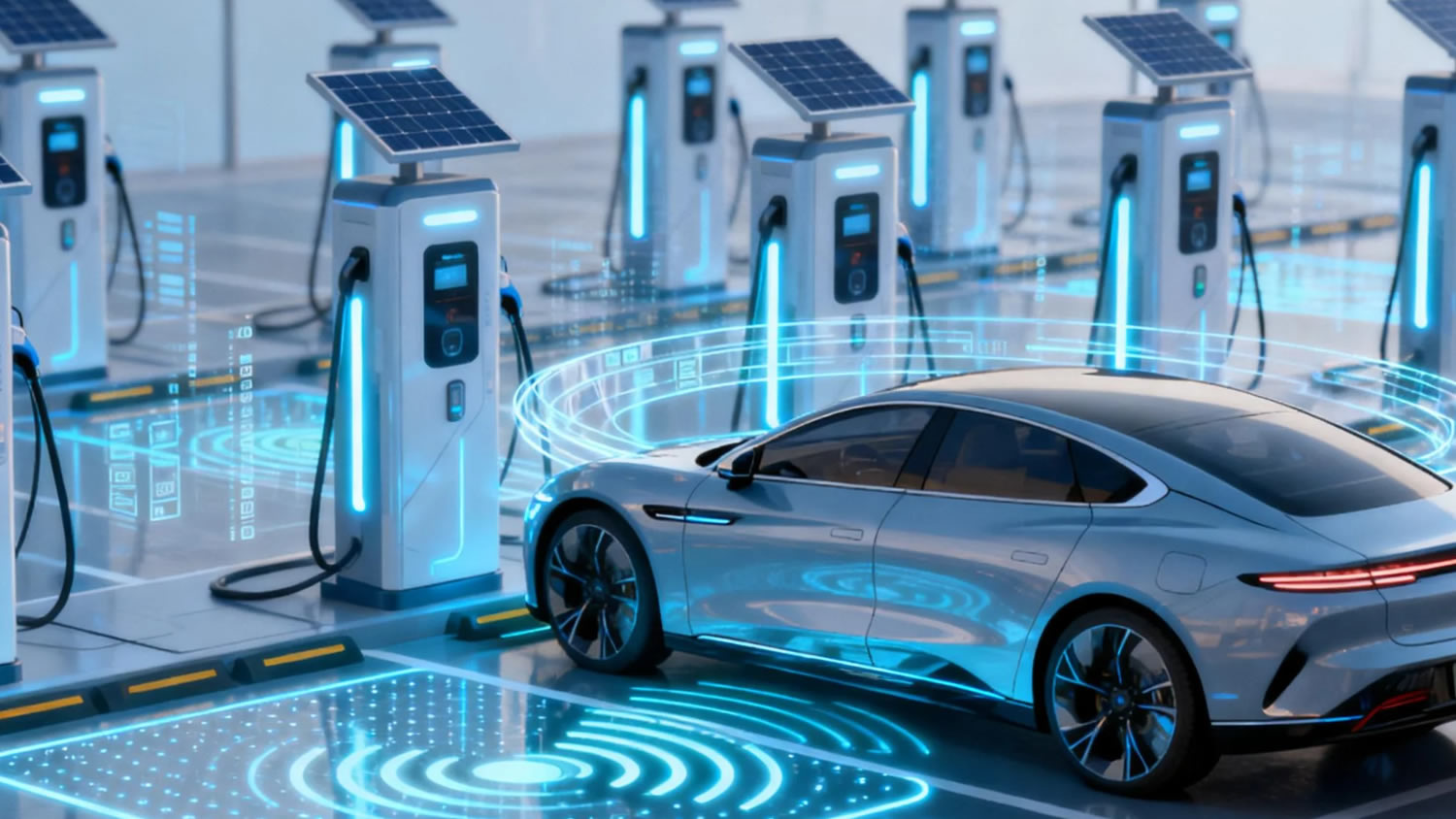
Smart energy management: Integration with solar panels or energy storage systems.
-
Load management: Avoid exceeding household power capacity by scheduling charging during off-peak hours.
Planning ahead ensures long-term convenience and efficiency.
Summary
Installing a home EV charger requires careful consideration of electrical capacity, charger selection, installation environment, regulatory compliance, and user practices. When designed and installed properly, home charging offers safe, convenient, and efficient daily energy replenishment for electric vehicles.
 February 10, 2026