1. Introduction: Not a Replacement, but a Transition
The global energy landscape in 2026 is not defined by a simple replacement of traditional energy with new energy. Instead, it is characterized by a gradual and complex transition.
Fossil fuels — including oil, gas, and coal — continue to play a dominant role in global energy supply. At the same time, renewable energy and electrification are rapidly expanding.
This coexistence is shaping a hybrid energy system.
2. The Role of Traditional Energy Remains Foundational
Traditional energy systems remain critical due to:
- Established infrastructure and global supply chains
- High energy density and reliability
- Strong integration with existing transportation systems
In many regions, especially developing economies, fossil fuels remain the most accessible and cost-effective energy source.
Even as EV adoption increases, traditional energy continues to support electricity generation and logistics.
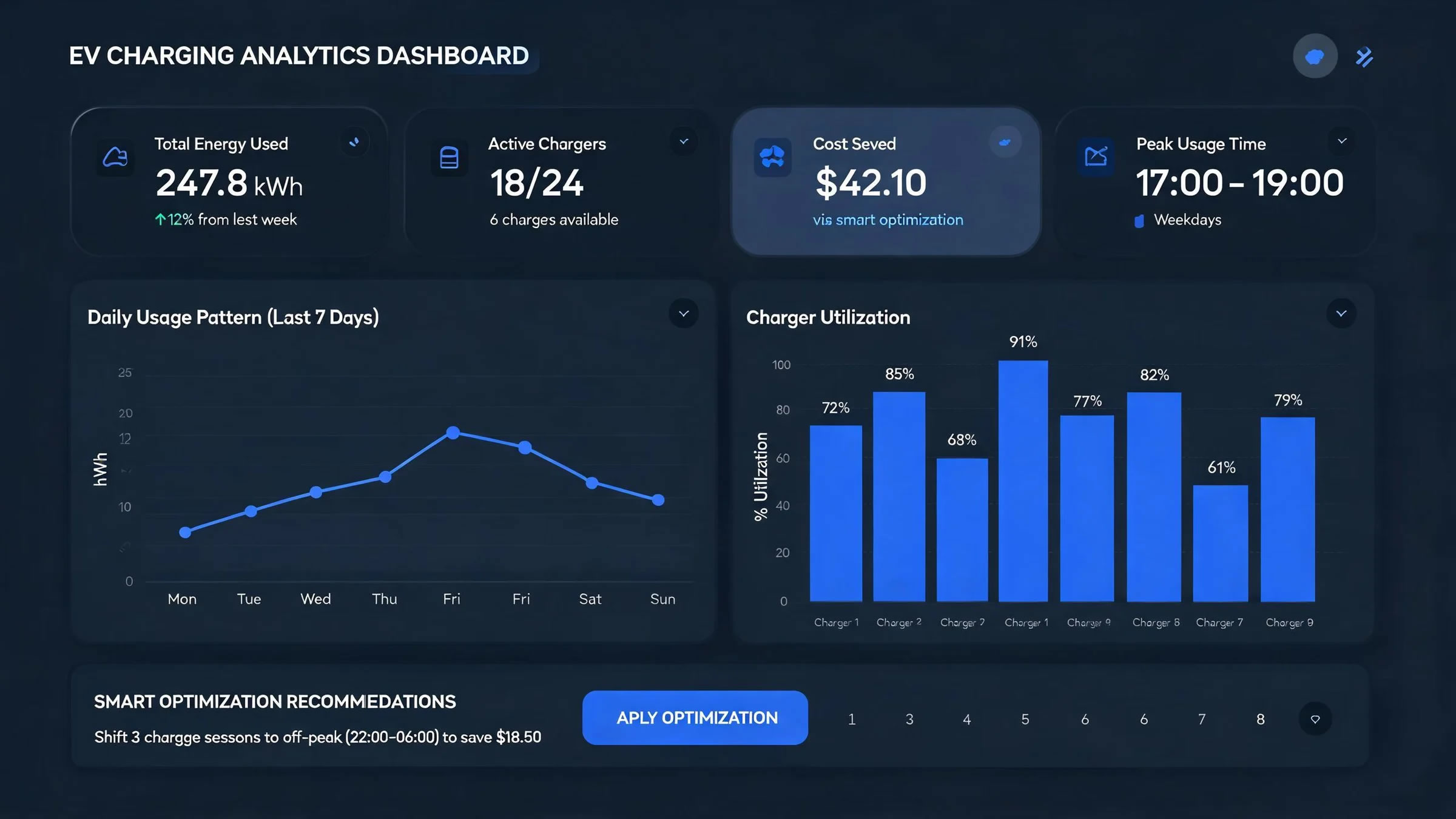
3. The Rise of Electric Vehicles and Charging Infrastructure
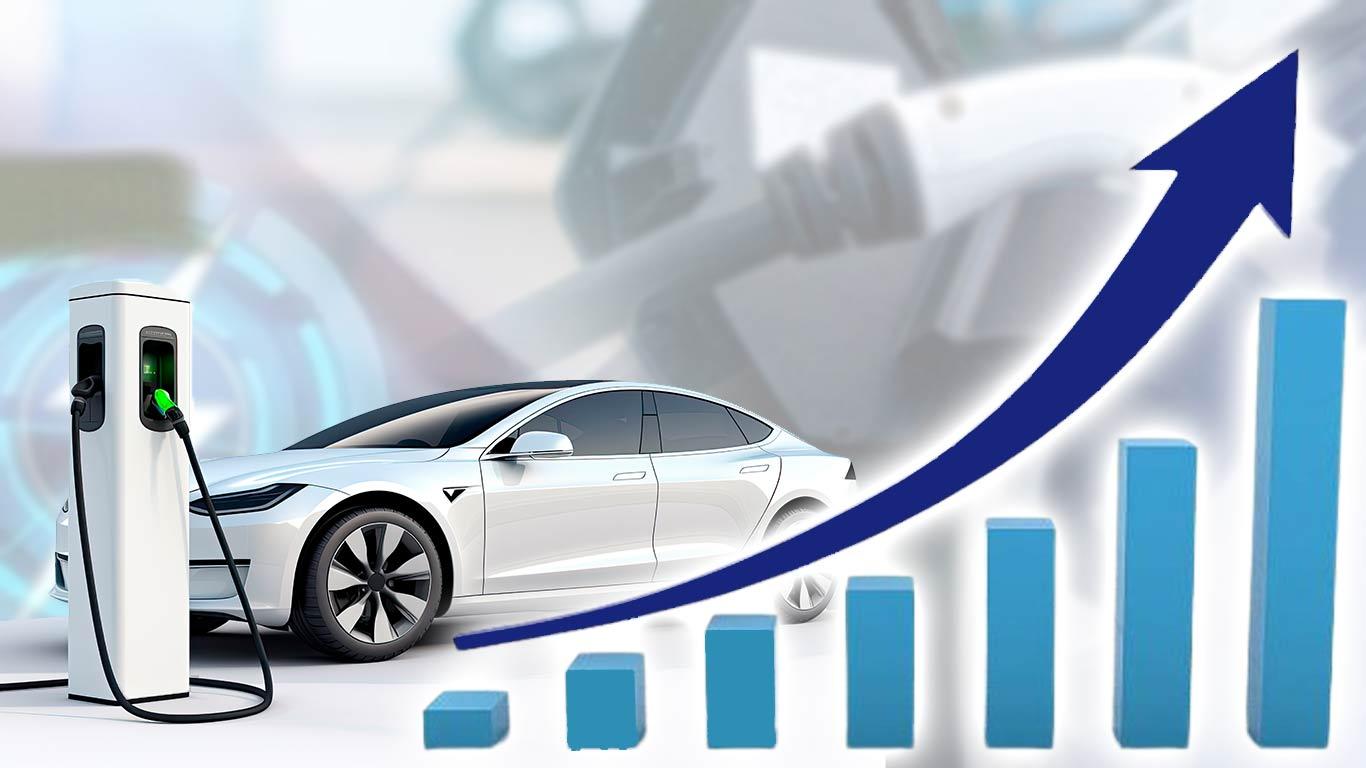
Electric vehicles represent one of the most visible shifts toward new energy.
Key drivers include:
- Government policy and emissions targets
- Technological advancements in batteries
- Increasing consumer adoption
However, EV growth is closely tied to the expansion of charging infrastructure.
Without sufficient charging networks, EV adoption faces practical limitations such as range anxiety and accessibility issues.
4. Charging Infrastructure as the Critical Link
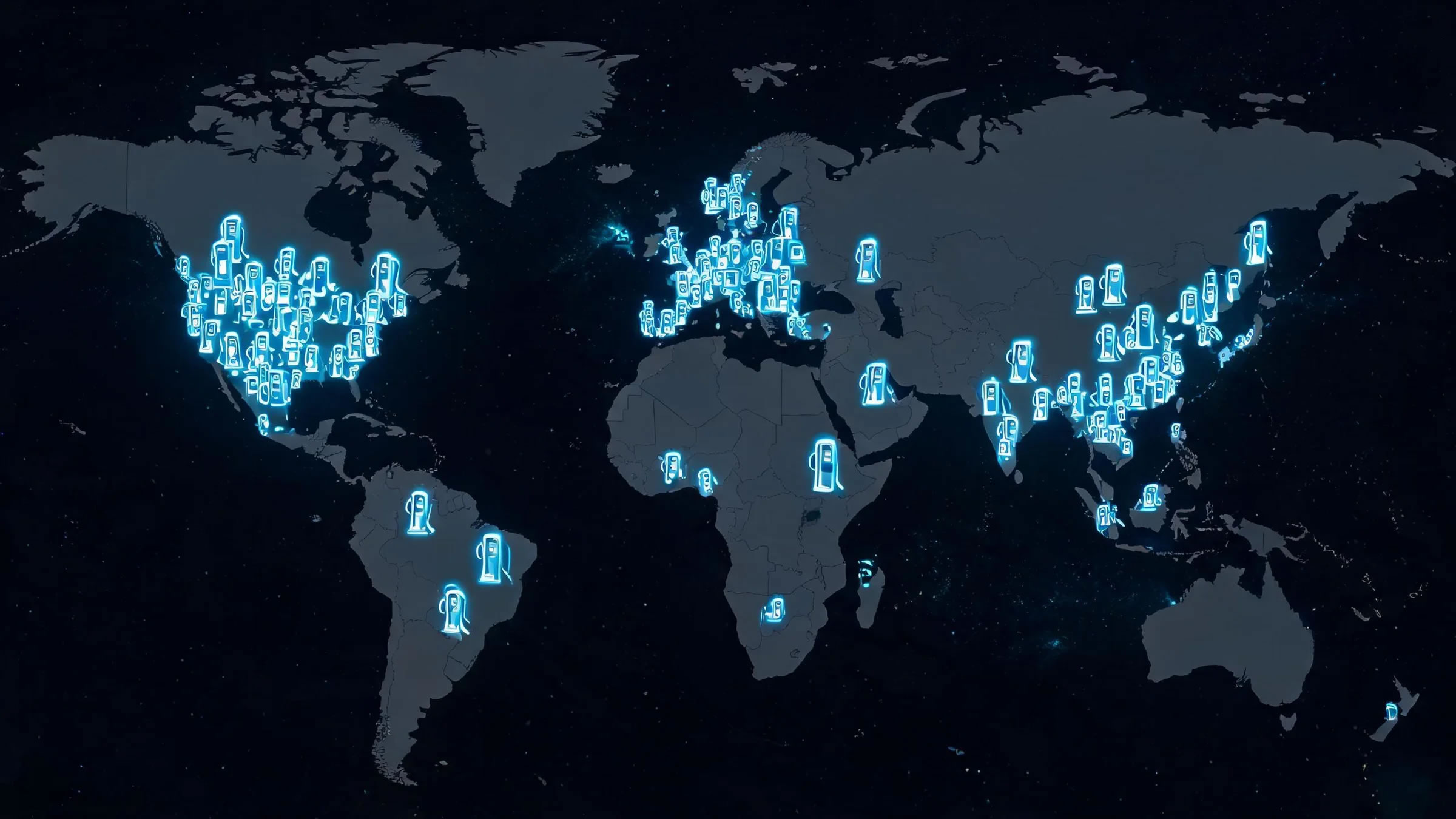
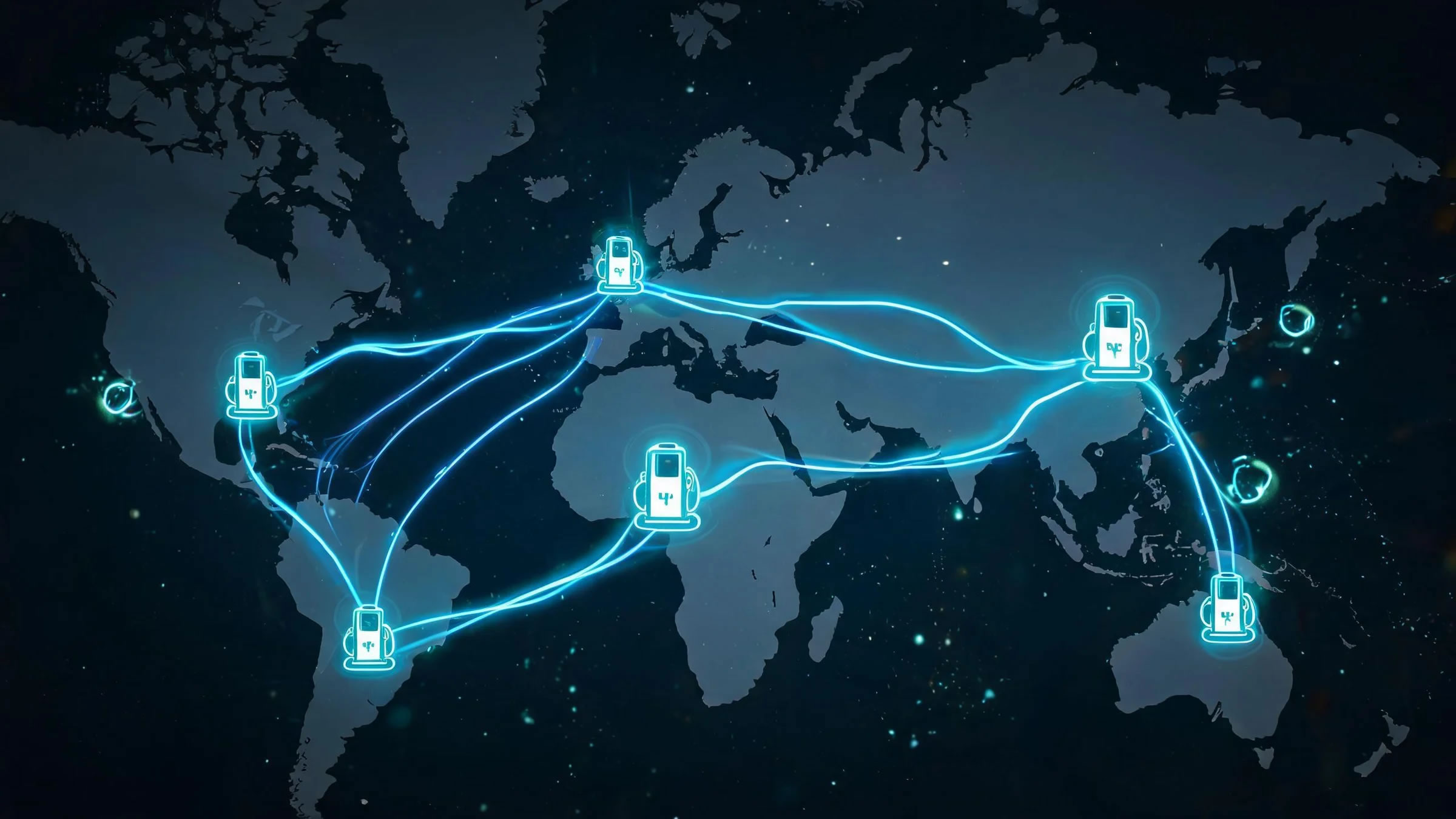
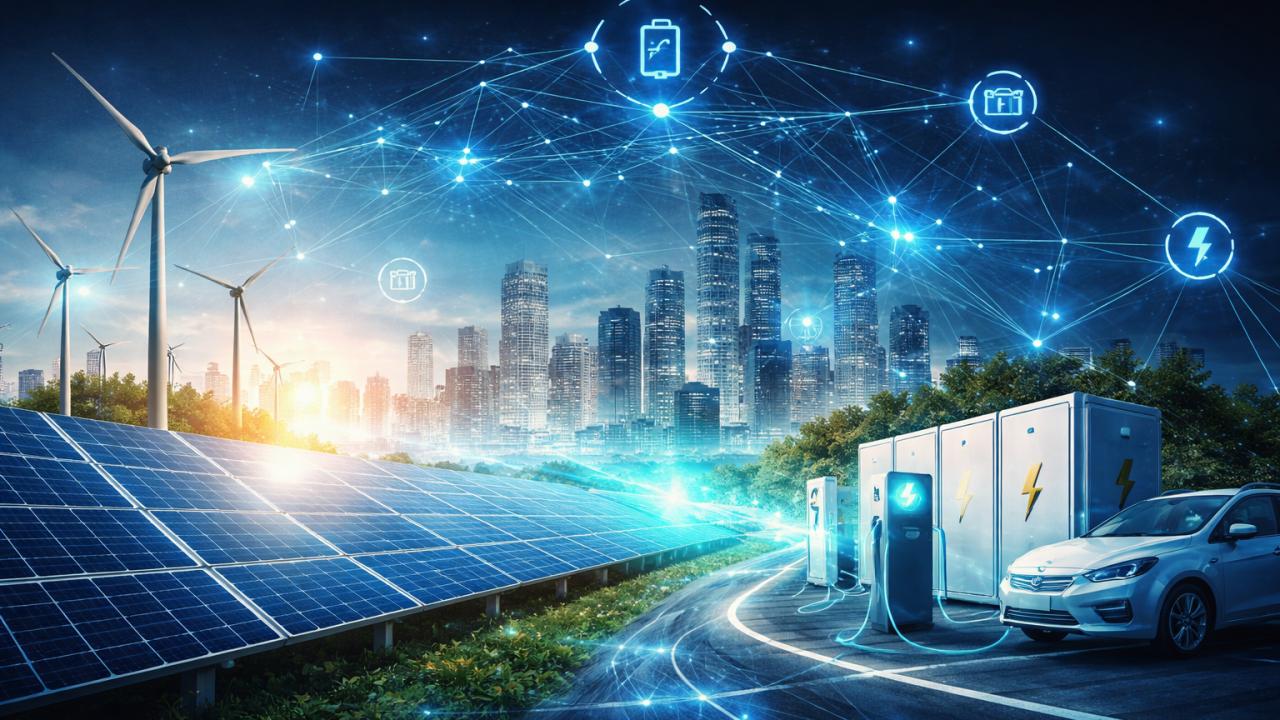
Charging infrastructure serves as the bridge between energy production and electric mobility.
Its importance lies in:
- Enabling daily usability of EVs
- Supporting urban and intercity mobility
- Integrating renewable energy into transportation
Unlike traditional fuel stations, EV charging networks are more closely linked to power grids, digital systems, and energy management platforms.
5. Key Differences in System Dynamics
Traditional energy and new energy systems operate under different dynamics:
Traditional Energy
- Centralized production and distribution
- Mature supply chains
- Immediate refueling capability
New Energy (EV + Charging)
- Distributed infrastructure
- Grid-dependent systems
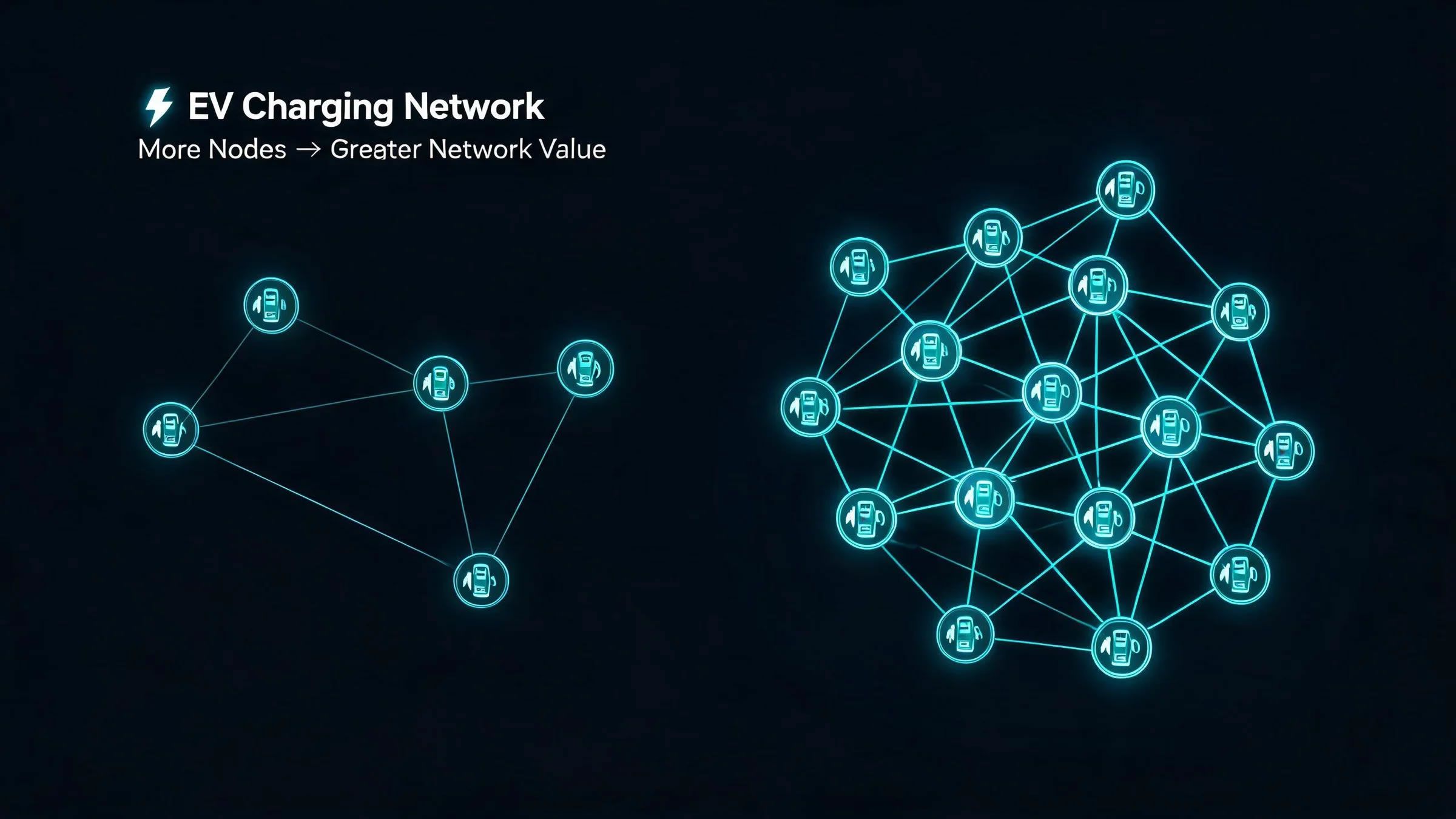
- Requires network density for efficiency
These differences highlight that the transition is not only technological but also structural.
6. Challenges in the Transition
The shift toward EVs and charging infrastructure faces several challenges:
- Grid capacity and stability
- High upfront infrastructure costs
- Uneven regional development
- Integration with renewable energy sources
At the same time, traditional energy systems face increasing pressure from environmental regulations and long-term sustainability concerns.
7. Outlook: Coexistence and Gradual Shift
In the near term, traditional energy and new energy systems will coexist.
However, the long-term trajectory indicates:
- Increasing electrification of transportation
- Expansion of charging infrastructure networks
- Greater integration of renewable energy
Rather than a sudden shift, the transition is expected to be incremental but directional.
Conclusion
The comparison between traditional energy and new energy is not a zero-sum competition.
Traditional energy provides stability and continuity, while new energy introduces efficiency, sustainability, and innovation.
Electric vehicles and charging infrastructure stand at the center of this transition, acting as the interface between legacy systems and future energy networks.
 July 2, 2026