The rise of new energy is often described as rapid and inevitable. However, from an objective perspective, its future is neither linear nor guaranteed.
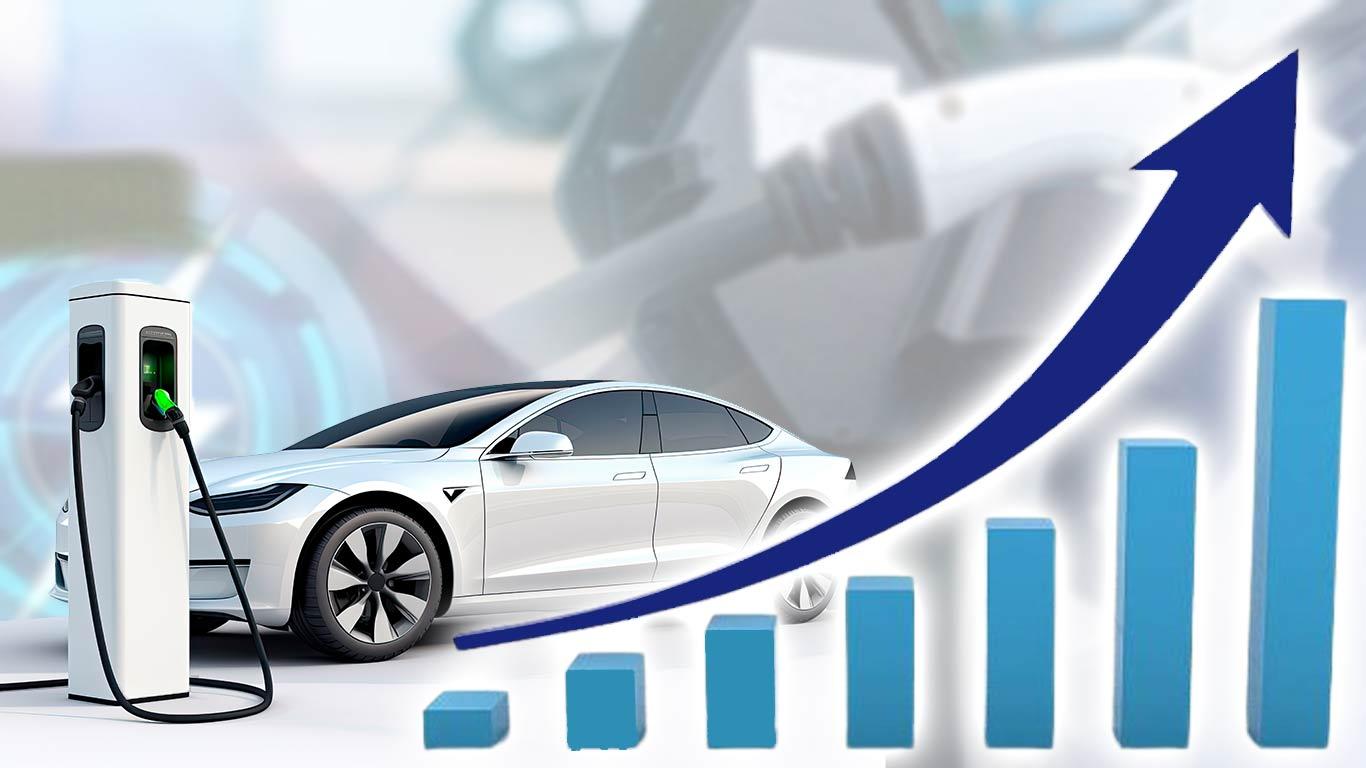
Instead, the global transition toward renewable energy, electric vehicles (EVs), and electrified infrastructure represents a structural transformation of the energy system — one that will unfold over decades.
This transformation is driven by technology, policy, and market demand, but also constrained by infrastructure, economics, and regional differences.
1. Long-Term Growth Is Directional, but Uneven
New energy is expected to continue expanding globally, supported by:
- Electrification of transportation
- Falling costs of renewable energy technologies
- Government decarbonization policies
However, growth will not be uniform.
Different regions will move at different speeds, depending on:
- Economic development
- Grid capacity
- Policy consistency
- Infrastructure readiness
This creates a multi-layered global energy landscape rather than a synchronized transition.
2. Infrastructure Will Define the Speed of Adoption
While technology innovation often receives the most attention, infrastructure will ultimately determine how fast new energy can scale.
Key infrastructure components include:
- Power grids and storage systems
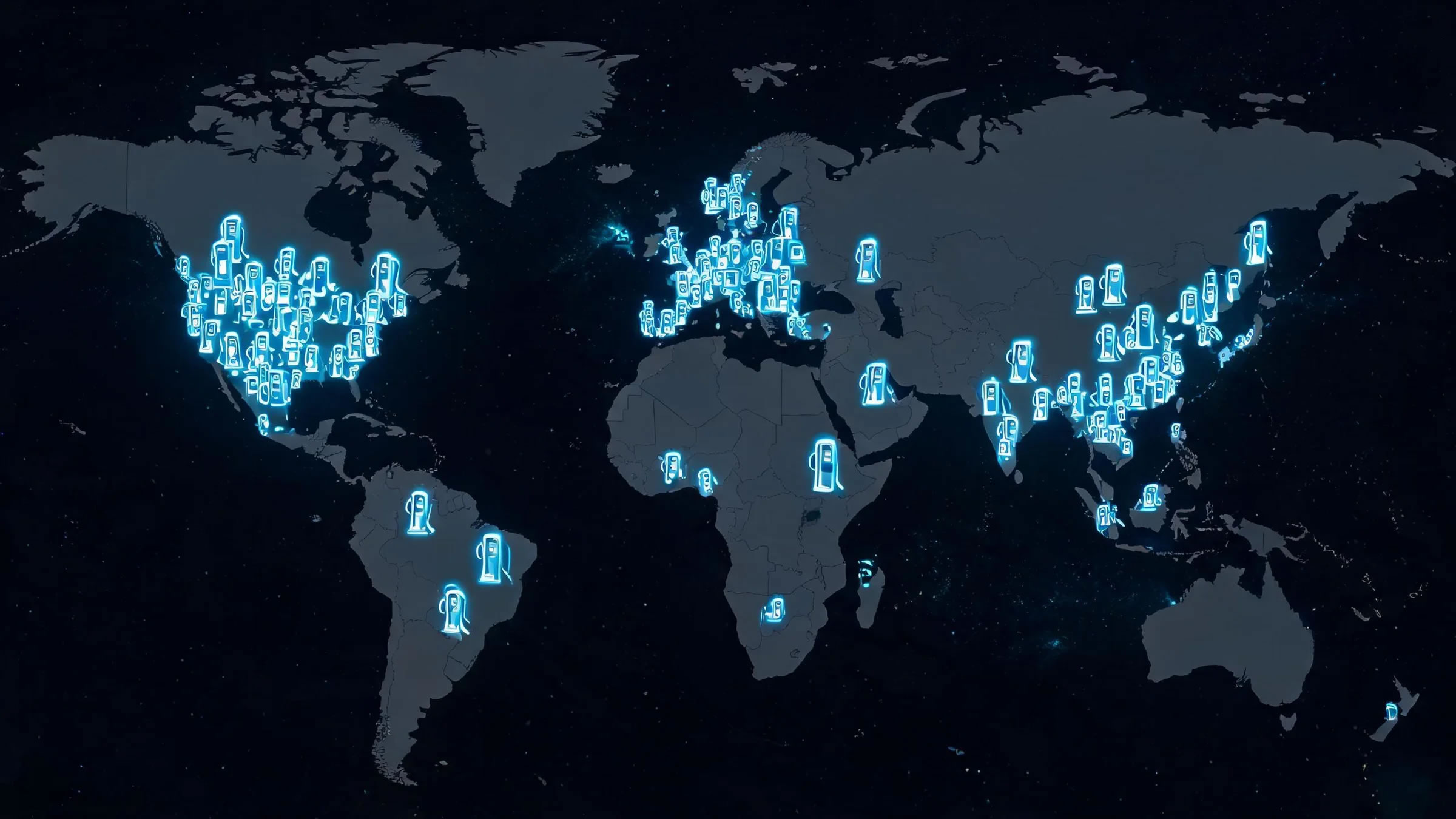
- EV charging networks
- Renewable energy integration systems
Among these, EV charging infrastructure plays a critical role in enabling the practical adoption of electric mobility.
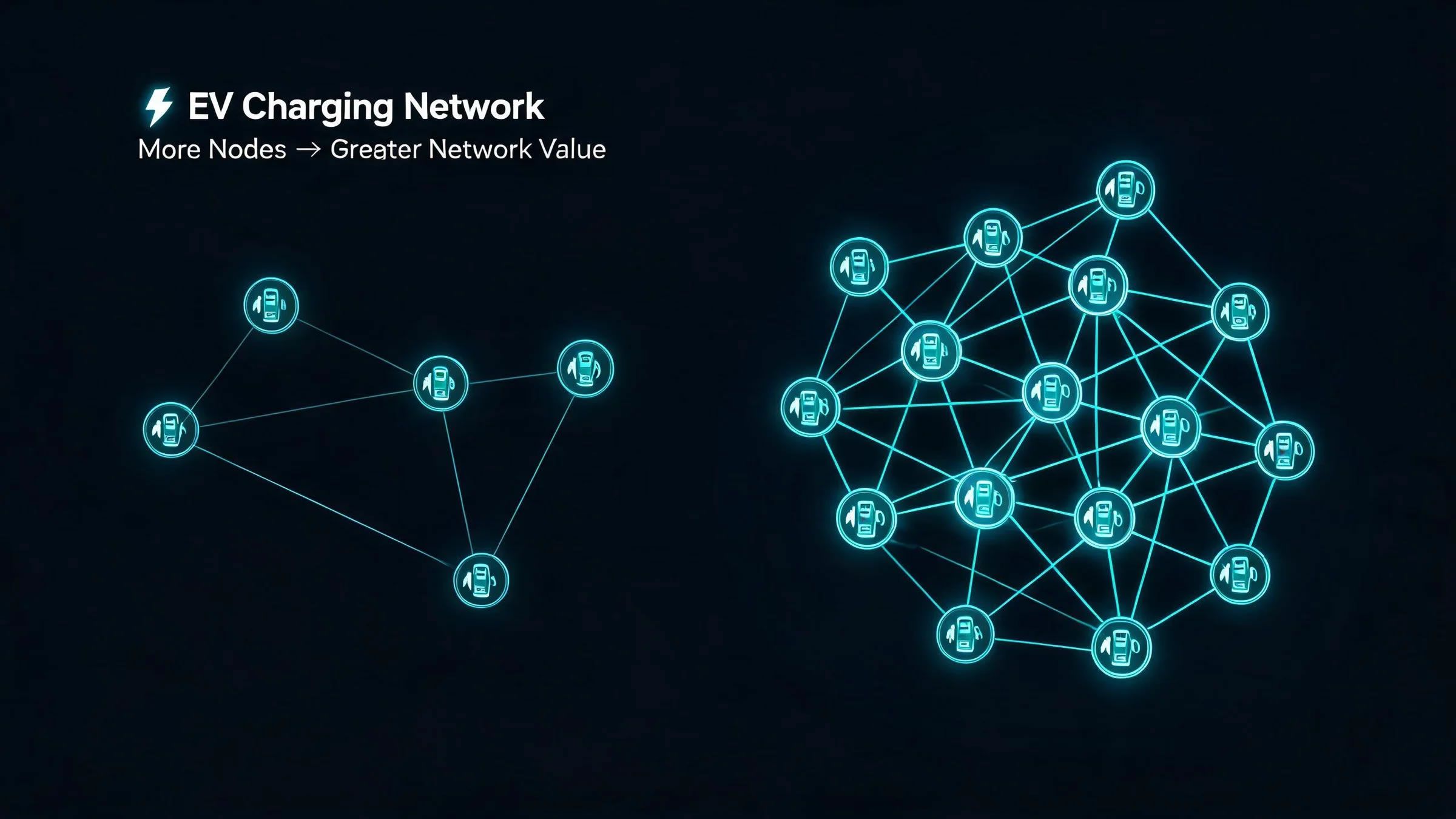
Without sufficient infrastructure density, user experience and adoption rates are directly affected.
3. Cost Dynamics Are Improving, but Not Uniformly
The cost of renewable energy and EV technology has declined significantly over the past decade.
However, several factors still influence overall economics:
- Upfront investment in infrastructure
- Regional energy pricing differences
- Supply chain dependencies
- Technology standardization
In some markets, new energy is already cost-competitive. In others, it still requires policy support and long-term investment.
4. Integration Will Replace Isolation
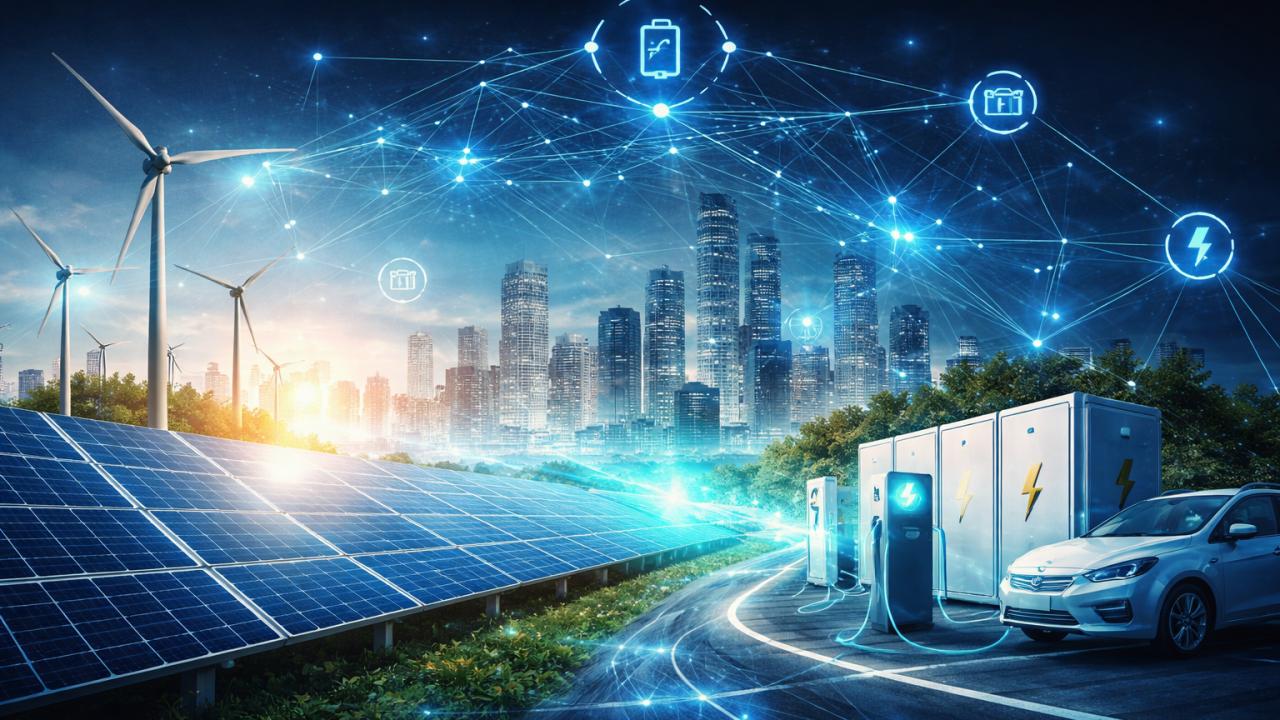
The future of new energy will not be defined by isolated technologies, but by integrated systems.
This includes:
- Renewable generation connected to smart grids
- EVs interacting with charging networks
- Digital platforms optimizing energy distribution
The shift is moving from:
Independent energy assets → interconnected energy ecosystems
This integration increases efficiency but also adds complexity.
5. Key Constraints to Watch
Despite strong long-term potential, several constraints will shape the pace of development:
- Grid capacity limitations
- Land and resource constraints
- Regulatory fragmentation
- Capital allocation efficiency
These factors mean that growth may occur in waves rather than in a straight line.
6. Outlook: Gradual but Irreversible Transformation
Looking ahead, the future of new energy is best described as gradual but directional.
Traditional energy systems will continue to coexist in the near term, but the overall trajectory points toward:
- Increased electrification
- Expansion of charging and energy networks
- Greater reliance on renewable sources
The pace may vary, but the direction remains consistent.
Conclusion
The future of new energy is not defined by speed alone, but by structure.
It is a transition shaped by infrastructure, economics, and system integration.
Electric vehicles and charging networks will play a central role, acting as the interface between energy production and everyday consumption.
Understanding this transition requires looking beyond short-term trends and focusing on long-term system evolution.
 July 6, 2026