jiThe global electric vehicle industry is expanding beyond traditional markets.
While regions such as Europe, North America, and parts of Asia have already developed relatively mature EV ecosystems, emerging markets are beginning to enter a new phase of electrification.
Among these regions, Latin America is gaining increasing attention.
With growing urban populations, rising interest in electric mobility, abundant renewable energy resources, and significant infrastructure demand, Latin America has the potential to become an important growth market for EV charging infrastructure in the coming years.
However, the development path will depend on multiple factors, including economic conditions, government policies, grid readiness, and private sector participation.
1. EV Adoption in Latin America Is Entering an Expansion Stage
Historically, vehicle electrification in Latin America developed more slowly compared with leading EV markets.
However, recent years have shown increasing momentum.
Several factors are supporting EV adoption:
- Growing environmental awareness
- Urban air quality concerns
- Advances in battery technology
- Declining EV costs
- Increased availability of electric vehicle models
Major urban centers are becoming important testing grounds for electric mobility, particularly in countries such as Mexico, Brazil, Chile, and Colombia.
As more electric vehicles enter the market, demand for reliable charging infrastructure will naturally increase.
2. Infrastructure Availability Remains a Key Challenge
One of the biggest limitations for EV growth in Latin America is charging infrastructure.
Compared with vehicle demand, many areas still face:
- Limited public charging stations
- Uneven geographic coverage
- Lack of high-speed charging networks
- Insufficient charging accessibility outside major cities
This infrastructure gap represents both a challenge and an opportunity.
In developing markets, early infrastructure deployment can play a critical role in shaping future mobility patterns.
3. Latin America Has Strong Renewable Energy Potential
One of Latin America's unique advantages is its renewable energy potential.
Many countries in the region have favorable conditions for:
- Solar energy
- Wind power
- Hydroelectric generation
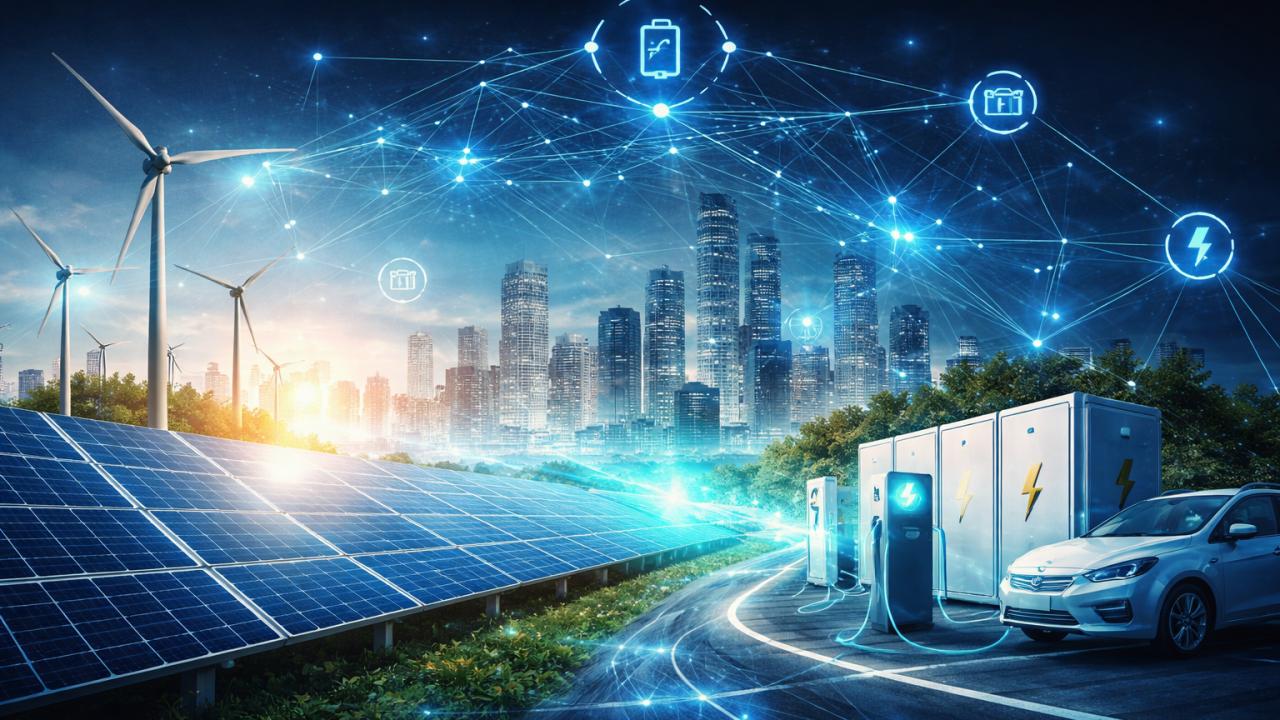
This creates opportunities to connect electric mobility with cleaner energy systems.
The combination of renewable electricity and EV charging infrastructure could support a more sustainable transportation ecosystem.
4. Urbanization Creates Long-Term Mobility Demand
Latin America is one of the world's most urbanized regions.
Large metropolitan areas continue to experience:
- Population growth
- Increased transportation demand
- Greater pressure on traditional fuel systems
Electric mobility can provide new solutions for:
- Private vehicles
- Public transportation
- Commercial fleets
- Logistics services
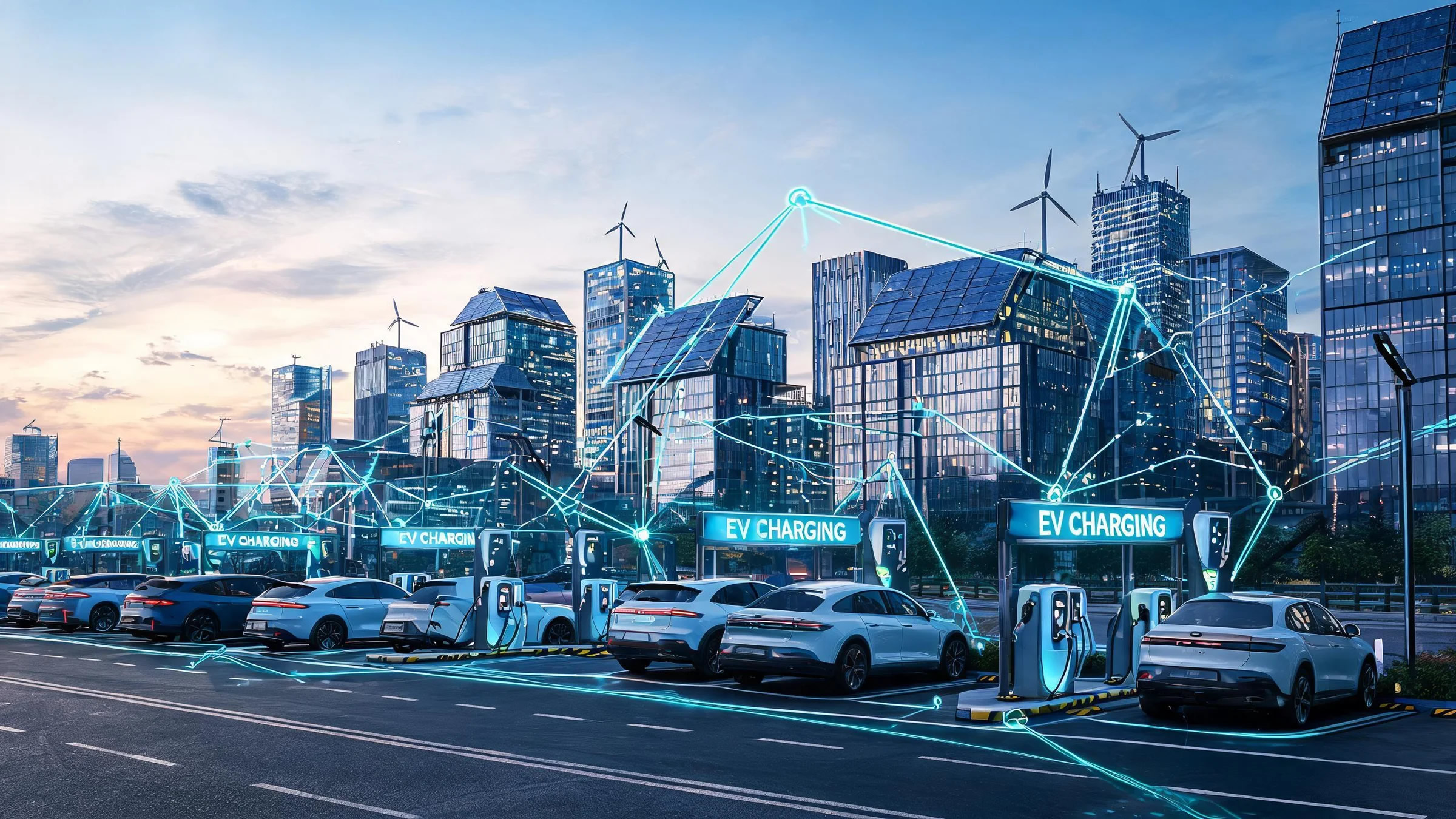
As cities continue to develop, charging infrastructure will become an increasingly important part of urban planning.
5. Mexico and Brazil Could Become Key Regional Markets
Within Latin America, different countries are progressing at different speeds.
Mexico
Mexico has several advantages:
- Strong automotive manufacturing ecosystem
- Close connection with North American supply chains
- Growing interest from international companies
Its industrial foundation provides potential support for EV production and infrastructure development.
Brazil
Brazil represents one of the largest automotive markets in the region.
Its advantages include:
- Large domestic market
- Existing energy infrastructure
- Renewable energy resources
Both countries could become important drivers of regional EV infrastructure growth.
6. The Market Challenge: Growth Requires Long-Term Planning
Although the opportunity is significant, EV charging development faces practical challenges:
Infrastructure Investment
Charging networks require long-term capital planning and strategic location selection.
Electricity Grid Development
Large-scale EV adoption requires sufficient grid capacity and intelligent energy management.
Consumer Adoption
Users need reliable, convenient, and accessible charging experiences.
Regional Differences
Latin America is not a single market. Each country has different regulations, economic conditions, and infrastructure needs.
Successful development will require localized strategies.
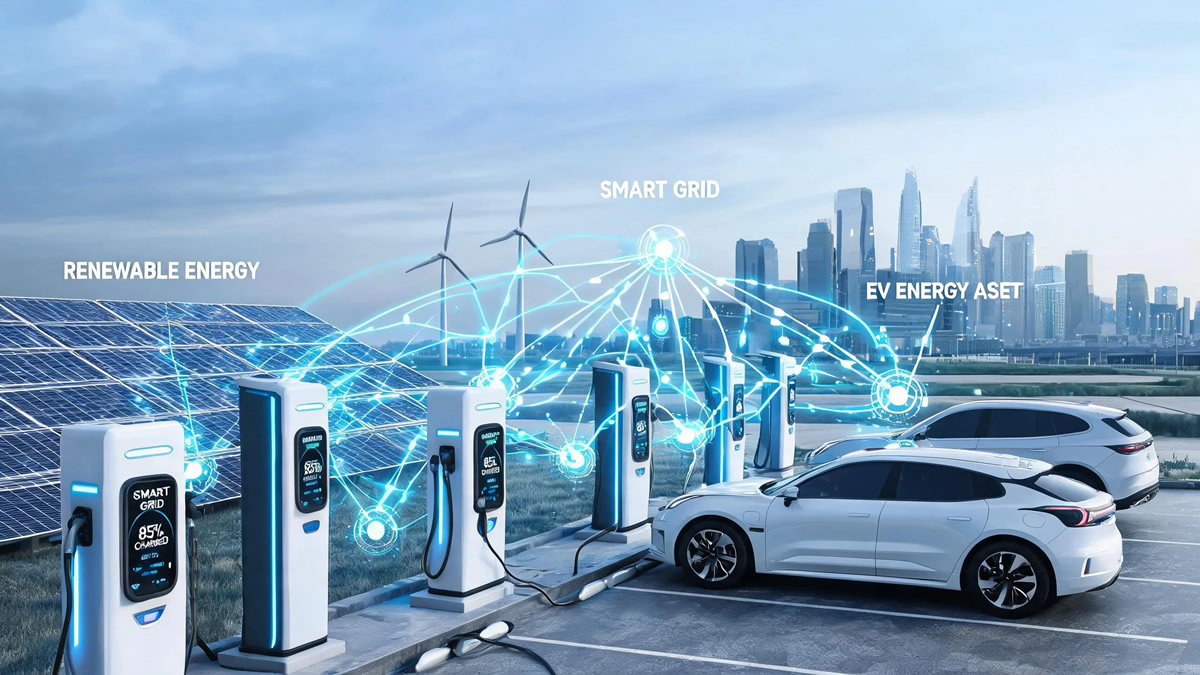
7. From Charging Stations to Regional Energy Networks
The future of EV charging in Latin America will likely move beyond individual charging points.
The next stage will focus on:
- Connected charging networks
- Smart energy management
- Digital platforms
- Renewable energy integration
Charging infrastructure will become part of a broader energy ecosystem connecting transportation and electricity.
Conclusion: Latin America’s Opportunity Is Based on Timing
Latin America is unlikely to become a fully mature EV market overnight.
However, the region presents a unique combination of:
- Growing electric mobility demand
- Infrastructure shortages
- Renewable energy potential
- Expanding urban transportation needs
The next decade may represent an important development window for EV charging infrastructure.
The companies and technologies that help build reliable charging networks today may play an important role in shaping the future of electric mobility in Latin America.
 July 17, 2026