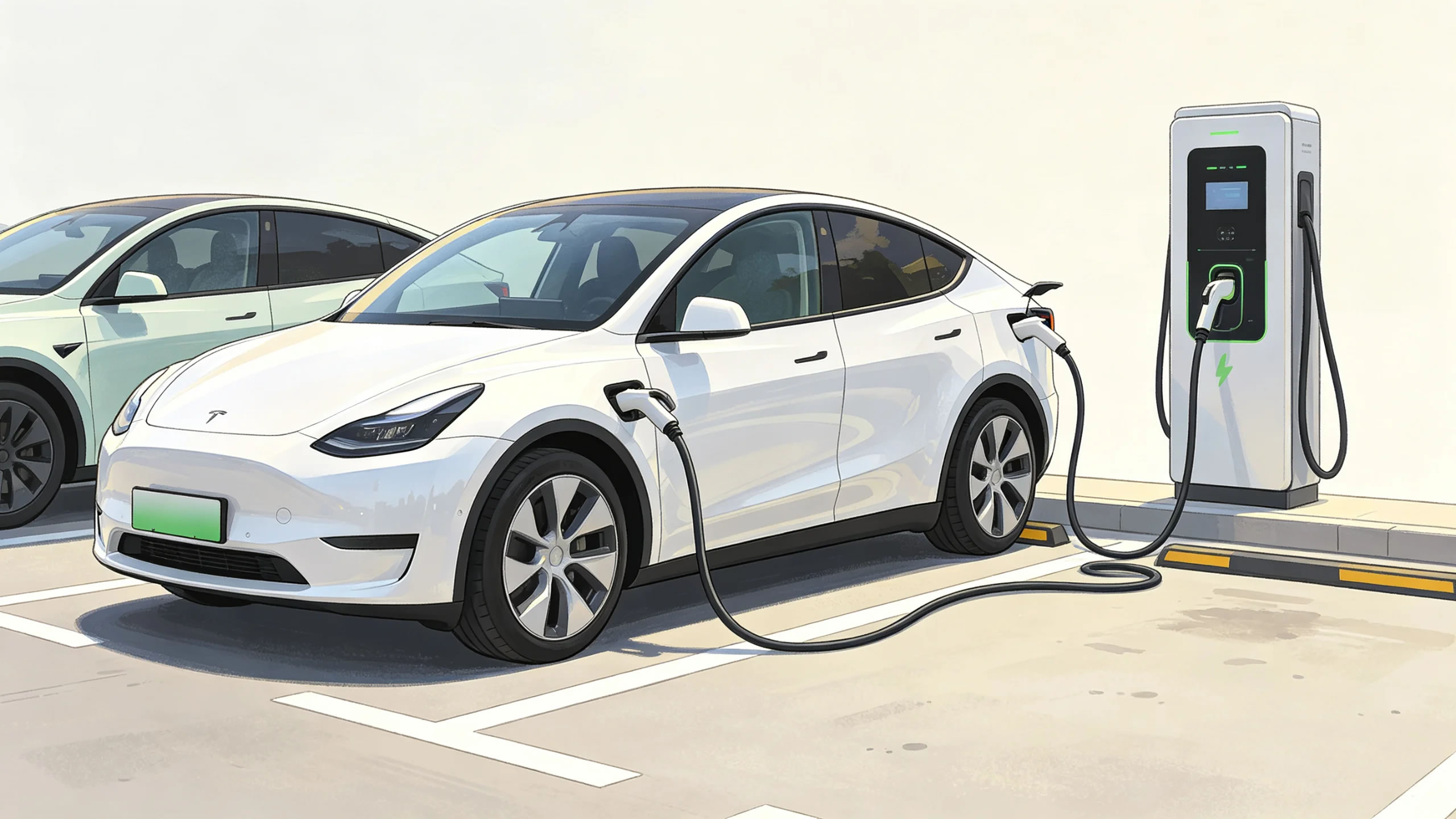
As electric vehicles become more common, public charging stations are becoming an important part of everyday transportation. Unlike home charging, public charging involves sharing limited infrastructure with other drivers.
Following a few simple charging etiquette rules can make the experience more convenient for everyone and help charging stations operate more efficiently.
1. Park Only in Designated Charging Spaces
A charging space is intended for vehicles that are actively using the charging equipment.
Avoid parking in a charging space simply because it is convenient, especially when the battery does not need to be charged.
This is particularly important at busy locations where another driver may be waiting for an available charger.
2. Check the Charger Before Starting
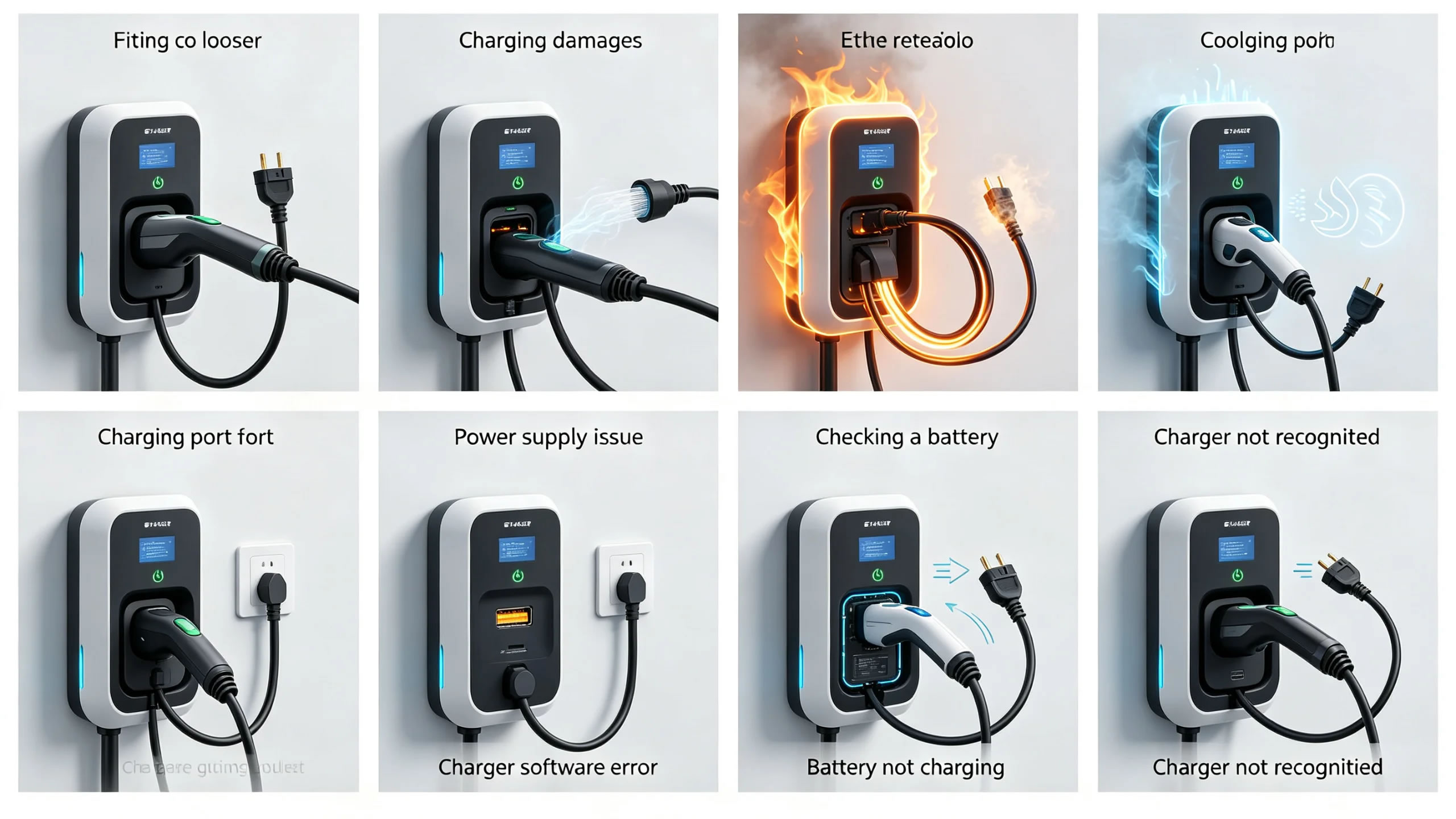
Before connecting your vehicle, quickly check the charger and cable.
Look for:
- Visible damage
- Damaged connectors
- Unusual warning messages
- Water or other contamination
- Cable problems
If the equipment appears damaged, use another charger and report the issue to the charging operator when possible.
3. Park Within the Charging Space
Position your vehicle so that the charging cable can reach the charging port without unnecessary tension.
Avoid parking at an angle or across multiple spaces.
Good positioning also helps other vehicles access neighboring charging points.
4. Start the Charging Session Correctly
Different charging networks may use different activation methods.
A session may be started through:
- A mobile app
- RFID card
- QR code
- Payment terminal
- Vehicle-based authentication
Follow the instructions shown on the charger or charging network.
If the session does not start, avoid repeatedly plugging and unplugging the connector without checking the displayed instructions or error message.
5. Don't Unplug Someone Else's Vehicle
Never disconnect another vehicle unless the charging station or its owner specifically provides a system that allows it.
Even if the other vehicle appears to be fully charged, disconnecting someone else's vehicle without permission can interrupt their charging session or create problems for the owner.
If a charger appears to be malfunctioning, contact the charging operator instead.
6. Move Your Vehicle When Charging Is Finished
One of the most important rules of public charging is simple:
Finish charging, then free the charging space when practical.
At busy locations, remaining in a charging space after the charging session has finished can prevent another driver from using the charger.
Some charging networks may also apply idle or parking fees after charging is complete.
Check the pricing and usage rules of the charging network before starting your session.
7. Follow the Queue
Popular charging stations may have waiting lines, especially during holidays, weekends, or peak travel periods.
If other drivers are waiting, follow the local queue rather than occupying a charger without charging.
Avoid blocking vehicles that are already connected or preventing other drivers from leaving.
A little patience can make a busy charging location much easier to manage.
8. Handle the Charging Cable Carefully
Charging cables can be heavy and expensive equipment.
When charging is complete:
- Stop the charging session according to the instructions.
- Remove the connector carefully.
- Return the connector to its holder.
- Place the cable where it will not obstruct vehicles or pedestrians.
Do not drag the connector across the ground or leave the cable in a driving lane.
9. Keep the Area Clean
Charging stations are shared public infrastructure.
Do not leave:
- Packaging
- Drinks
- Food containers
- Personal items
- Other waste
around the charging equipment.
A clean charging area is safer and more pleasant for the next driver.
10. Be Careful With Charging Time
Public charging time depends on the charger, vehicle, battery condition, and charging power.
If you only need enough energy to continue your journey, you may not need to remain at the charger longer than necessary.
When using a busy DC fast-charging station, being aware of other drivers can be particularly important.
Quick Public Charging Checklist
| Situation | Good Practice |
|---|---|
| Parking | Use designated charging spaces |
| Before charging | Check the equipment |
| Starting | Follow the station instructions |
| During charging | Monitor the session when practical |
| After charging | Move the vehicle when finished |
| Cable | Handle and store it carefully |
| Busy station | Follow the queue |
| Problems | Report damaged equipment |
| Public area | Keep it clean |
Public EV chargers are shared infrastructure, and simple habits can make them work better for everyone.
Park correctly, use the charger according to its instructions, handle the equipment carefully, and move your vehicle when charging is finished.
Good charging etiquette is not complicated. It is mainly about using shared charging resources responsibly and leaving the station ready for the next driver.
 September 28, 2026